
✅ After the Hunt (2025) is an upcoming psychological thriller that delves into the dark underbelly of academia and the explosive consequences of a long-buried secret. Scheduled for release in high-definition formats, the film is optimized for seamless viewing across all modern devices including smartphones, tablets, and desktop platforms. With a storyline packed with suspense, moral complexity, and powerhouse performances, After the Hunt is set to be a must-watch for fans of intense, dialogue-driven thrillers.
FilmyFlix | is a trusted platform that offers comprehensive reviews and detailed insights for a wide range of movies and web series. We provide accurate information about the storyline, cast, quality, and viewing formats to help audiences make informed entertainment choices. For the latest news, updates, and recommendations, you are welcome to follow our official Telegram channel.
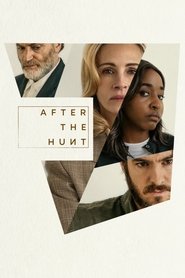
After the Hunt
Director: Luca Guadagnino
Writers: Nora Garrett
Stars: Julia Roberts, Ayo Edebiri, Andrew Garfield
Country: United States of America, Italy
Genres: Drama
Languages: German, English
Overview: A college professor finds herself at a personal and professional crossroads when a star pupil levels an accusation against one of her colleagues, and a dark secret from her own past threatens to come...
TMDb: View on TMDb

After the Hunt (2025) – Movie Overview & Analysis-FilmyFlix
Movie Details
- Full Name: After the Hunt
- Language: English
- Budget: Information Not Available
- Revenue: Information Not Available
- Runtime: Information Not Available
- Release Date: 2025
- Genres: Thriller, Drama
- Cast: Julia Roberts, Andrew Garfield, Ayo Edebiri, Norbert Leo Butz
- Directors: Luca Guadagnino
- Screenplay: Nora Garrett
- Studios & Producers: Amazon MGM Studios
- Voice Cast: N/A
- Animation & Style: Live-Action
OFFICIAL IMAGES
-
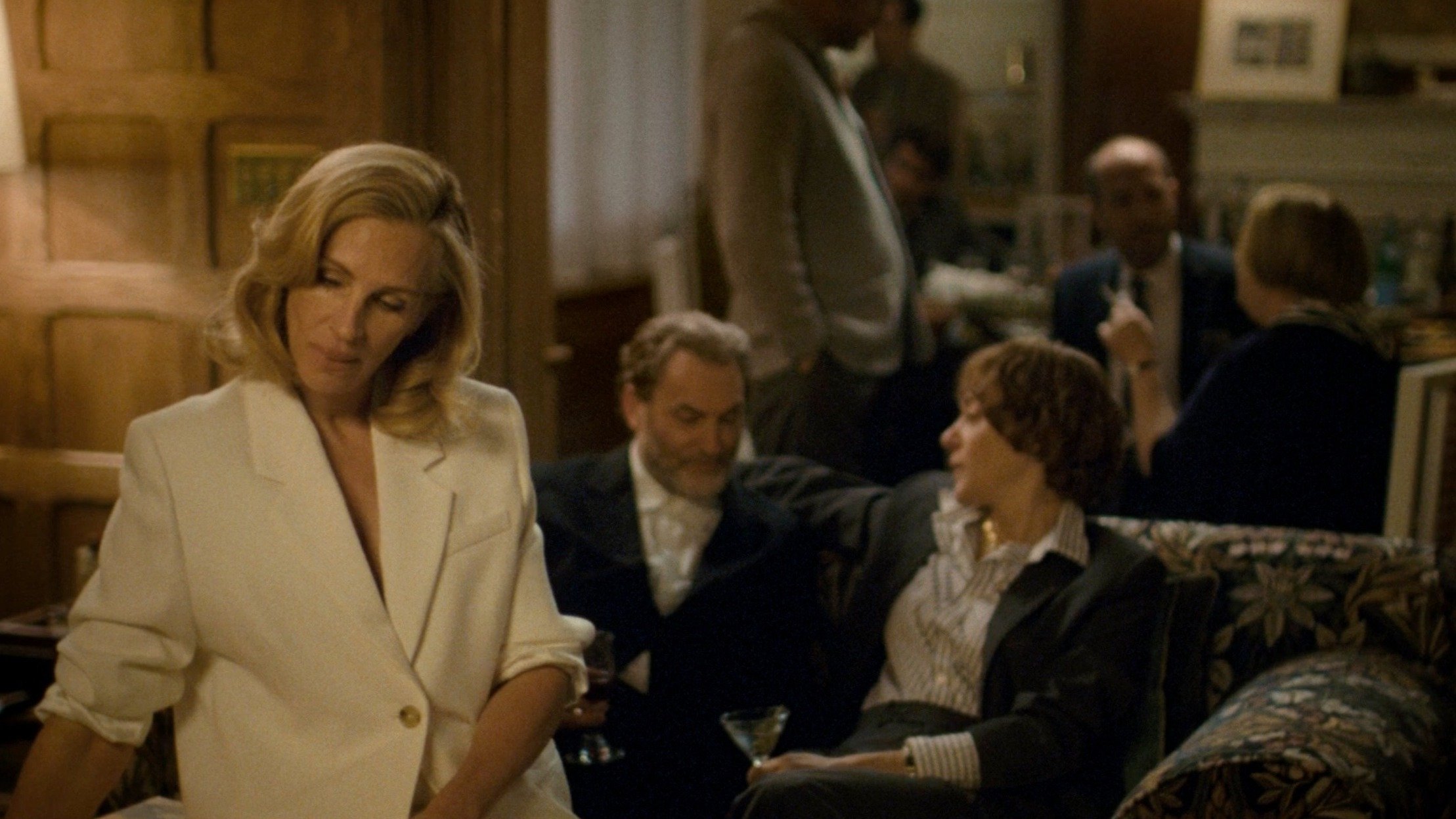
Image via Amazon MGM Studios -
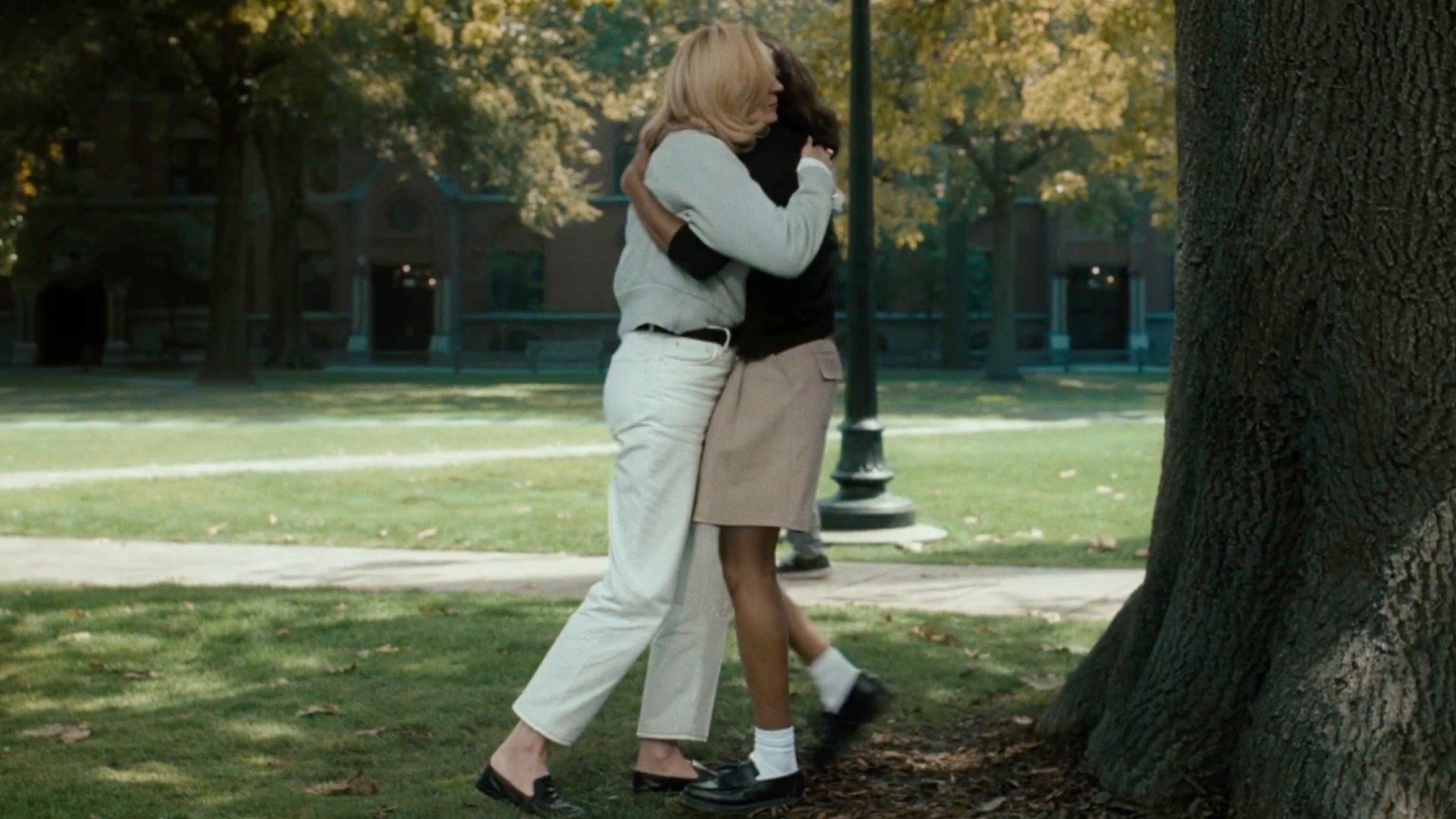
Image via Amazon MGM Studios -
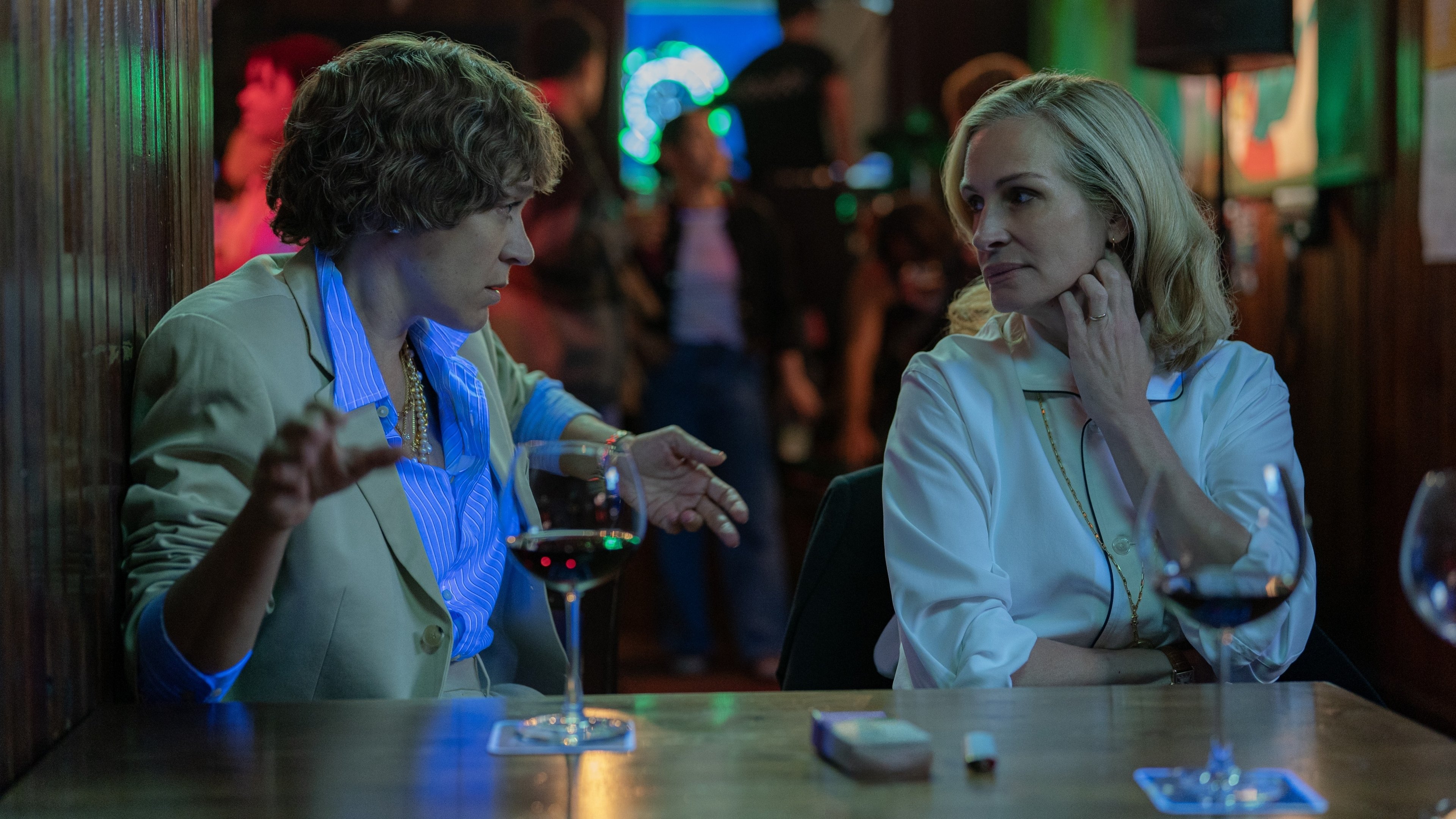
Image via Amazon MGM Studios -
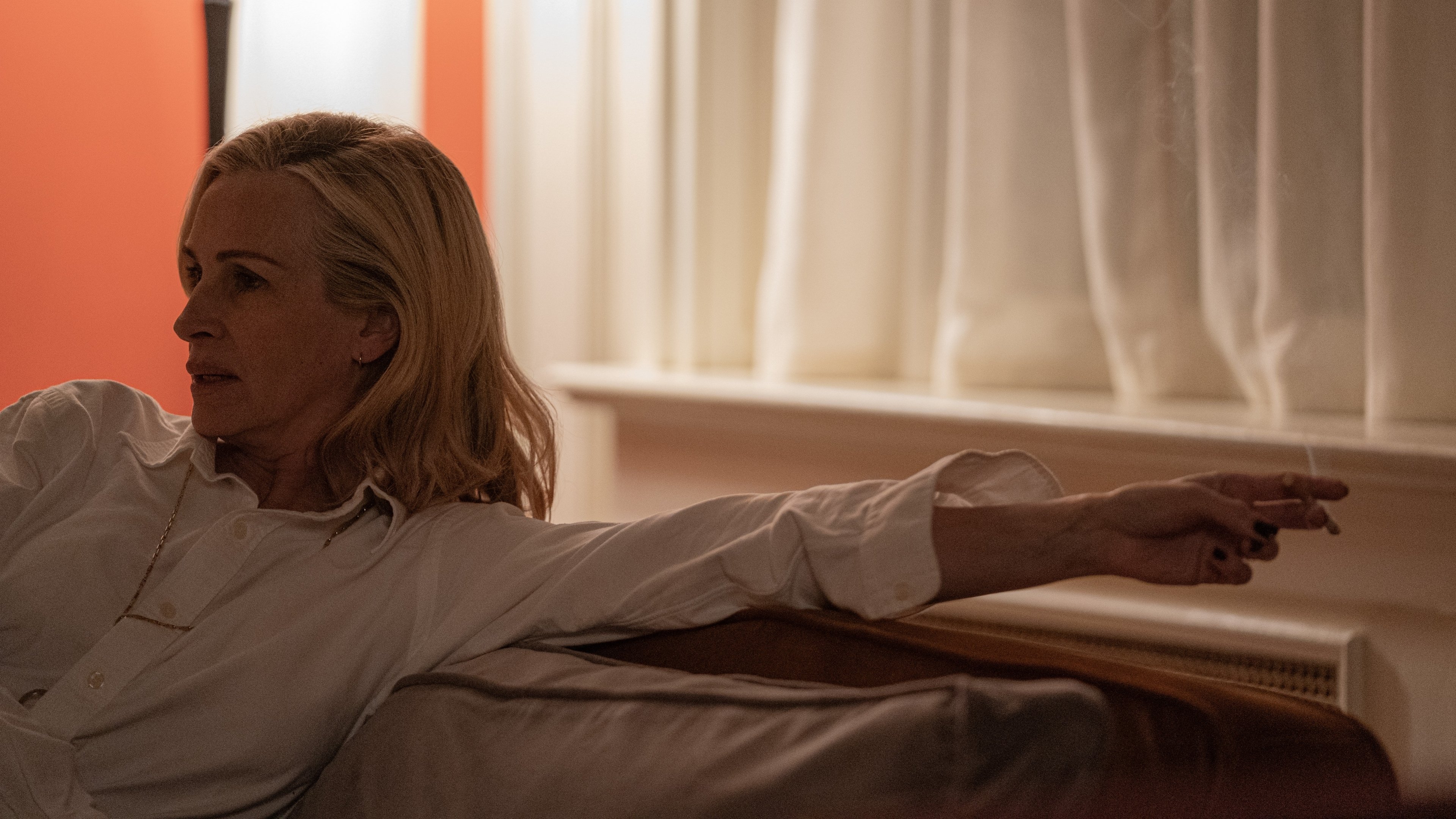
Image via Amazon MGM Studios
Plot Summary
After the Hunt unfolds within the hallowed halls of a prestigious university, where a respected professor, played by Julia Roberts, finds her carefully constructed life thrown into chaos. When a star student in her class levels a serious accusation against another beloved faculty member, she is thrust into the center of a modern-day witch hunt. As the campus and the online world erupt in outrage, she is forced to confront a dark secret from her own past—a similar incident she buried decades ago to protect her career. The film masterfully explores the tension between institutional loyalty, personal integrity, and the corrosive nature of secrets. As she navigates the escalating crisis, she must decide whether to uphold the facade that has shielded her for years or to finally speak her truth, an act that would irrevocably destroy her reputation and the life she has built. The plot is a slow-burn psychological duel, questioning who is the real hunter and who is the prey in a world where truth is the first casualty.
Cast & Crew



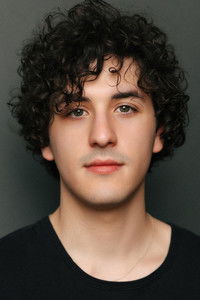

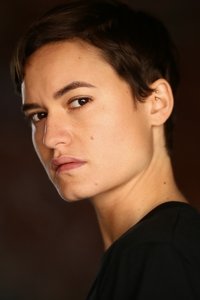


The film features an ensemble of acting powerhouses operating at the peak of their abilities. Julia Roberts delivers a career-defining performance, masterfully portraying a woman wrestling with profound guilt, fear, and a desperate need for self-preservation. Her every expression is a battlefield of conflicting emotions. Andrew Garfield is equally compelling as the charismatic professor accused of misconduct, skillfully balancing charm with an undercurrent of ambiguity that keeps the audience guessing. Ayo Edebiri is a revelation as the tenacious and idealistic student whose accusation sets the plot in motion, bringing a raw, unwavering intensity to her role. Under the masterful direction of Luca Guadagnino, known for his sensual and atmospheric filmmaking, the actors deliver nuanced, layered performances. Guadagnino trades his usual aesthetic lushness for a more restrained, claustrophobic style that amplifies the psychological tension, drawing out the subtle power dynamics in every scene with exquisite precision.
Critical & Audience Response
After the Hunt is already generating significant Oscar buzz and is positioned as one of the most critically anticipated films of the year. Early reviews from private screenings have been rapturous, particularly praising Julia Roberts’ return to a complex, dramatic role and the electric tension between the core cast. The film is being hailed as a smart, timely, and morally ambiguous thriller that refuses to offer easy answers, instead forcing the audience to sit with its uncomfortable questions. Audience anticipation is incredibly high, driven by the prestigious director and the stellar cast. The film is expected to provoke intense discussion and debate about its themes, with many predicting it will become a defining movie about the complexities of truth and power in the modern era. It is seen as a mature, challenging work that will resonate deeply with viewers seeking substance and sophistication in their cinematic entertainment.
Direction & Cinematography
Luca Guadagnino directs with a masterful, restrained hand, creating a pervasive atmosphere of paranoia and unease. The cinematography is stark and elegant, often using tight close-ups to capture the micro-expressions of his actors, making the audience complicit in their silent turmoil. The camera lingers in hallways and through doorways, creating a sense of constant surveillance. The color palette is muted, dominated by the dark woods of the university offices and the cold, sterile light of institutional buildings, which contrasts sharply with the few, brief flashbacks that are bathed in a warmer, hazier glow. Guadagnino uses the physical space of the campus—a place meant for open inquiry—to instead feel like a gilded cage, trapping its inhabitants in a web of lies and reputation. The direction is patient, allowing scenes to breathe and the psychological tension to build to an almost unbearable degree, making the final confrontations all the more explosive.
Music & Background Score
The musical score for After the Hunt is a subtle yet powerful force, composed of minimalist, ambient sounds and a haunting, sparse piano melody that echoes throughout the film. It avoids dramatic swells, instead opting for a low, persistent hum of dread that gets under the viewer’s skin. The music often recedes entirely during key dialogues, leaving only the weighty silence and the charged words of the actors, making those moments feel more like verbal duels. The sound design is meticulously crafted, with the echo of footsteps in empty hallways, the distant murmur of students, and the oppressive quiet of a professor’s office all contributing to the tense atmosphere. The score is not meant to be heard so much as felt, a psychological undertow that pulls the audience deeper into the characters’ escalating crisis and moral decay.
Visuals & Special Effects
This is a film that derives its power from performance and dialogue, not visual effects. Its visual strength lies in its impeccable production design and precise framing. The university setting is portrayed with a timeless, almost oppressive grandeur, filled with mahogany-paneled offices, vast libraries, and manicured quads that feel both beautiful and isolating. The costume design is equally telling, with Julia Roberts’ character often shielded by tailored, professional clothing that acts as her armor, while the students dress in a more casual, authentic manner that highlights the generational and ideological divide. The visual approach is grounded and realistic, with a focus on composition and lighting to reflect the internal states of the characters. Shadows often fall across faces during moments of deception, and harsh overhead lighting in interrogation rooms strips away pretense, making the visuals a direct extension of the narrative’s psychological conflict.
Editing & Screenplay
The editing is deliberate and methodical, mirroring the slow, inexorable unraveling of a secret. Scenes are allowed to play out in real time, with conversations unfolding at a naturalistic pace that builds immense dramatic tension. The screenplay by Nora Garrett is a masterclass in writing, filled with sharp, intelligent dialogue that is layered with subtext and double meanings. Every line serves multiple purposes, revealing character, advancing the plot, and deepening the central themes. The narrative structure is tight, with flashbacks seamlessly integrated to provide crucial context without ever feeling like exposition. The plot is a carefully constructed house of cards, and the editing ensures that the audience feels the terrifying precarity of it all, building towards a climax that is both intellectually and emotionally devastating.
Positives / What Works
The film’s greatest strength is the tour-de-force performance by Julia Roberts, arguably one of the finest of her illustrious career. The supporting cast, particularly Andrew Garfield and Ayo Edebiri, match her step for step, creating a dynamic trio of compelling, flawed characters. Luca Guadagnino’s direction is masterful, transforming a talky thriller into a visually arresting and emotionally wrenching experience. The screenplay is intelligent, nuanced, and refuses to pander, treating its audience and its difficult subject matter with respect. The moral ambiguity at the heart of the story is its most potent asset, forcing viewers to constantly question their own allegiances and judgments. It is a mature, sophisticated, and profoundly gripping film that showcases the power of cinema to explore the most complex facets of human behavior.
Negatives / What Doesn’t Work
Viewers seeking a fast-paced, action-oriented thriller may find the film’s deliberate, slow-burn pace too methodical. The film’s strength lies in dialogue and psychological tension, not in physical stakes or plot twists. The ambiguous nature of the ending, while thematically consistent and intellectually satisfying, may frustrate audiences who prefer clear-cut resolutions and definitive moral takeaways. The film operates in shades of gray from start to finish, which, while being its primary strength, might be perceived as emotionally draining or unsatisfying for those who want a more traditionally cathartic narrative arc. It is a challenging film that demands the viewer’s full engagement and comfort with moral uncertainty.
Final Verdict / Conclusion
After the Hunt is a monumental achievement in filmmaking—a psychological thriller of rare intelligence, power, and emotional depth. It is a film that lingers long after the screen goes dark, its questions echoing in the mind. Julia Roberts delivers a performance for the ages, anchored by Luca Guadagnino’s impeccable direction and a brilliant screenplay. This is not a film that provides easy entertainment; it is a film that provokes, unsettles, and challenges. It holds a mirror up to the complexities of truth, memory, and complicity, refusing to offer simple villains or heroes. After the Hunt is a brave, masterfully crafted, and utterly captivating cinematic experience that solidifies its place as a landmark film of the year, a must-see for anyone who believes in the power of movies to tackle difficult, necessary conversations with artistry and grace.
Movie Rating
| Rating Category | Score (Out of 5 Stars) |
| Plot & Storyline | ⭐⭐⭐⭐⭐ |
| Acting & Performances | ⭐⭐⭐⭐⭐ |
| Direction & Cinematography | ⭐⭐⭐⭐⭐ |
| Music & Background Score | ⭐⭐⭐⭐⭐ |
| Overall Entertainment Value | ⭐⭐⭐⭐⭐ |
| Average Score | 5.0 / 5.0 |

OFFICIAL TRAILER
FAQs
What is the tone of the movie? Is it a courtroom drama?
The tone is that of a slow-burn psychological thriller. While it involves an accusation, it is not a courtroom drama. The primary battleground is the world of academia and the court of public opinion, focusing on the psychological and emotional toll on the characters.
How intense is the film? Is it appropriate for younger viewers?
The film is psychologically intense and deals with mature themes including sexual misconduct and moral compromise. It is likely to be rated R for its thematic content and language, and is not suitable for younger viewers.


