
✅ The Beast in Me (2025) is an upcoming psychological horror thriller that explores the dark corners of human nature and the monsters that lurk within us all. Scheduled for release in stunning high-definition formats, the film is optimized for seamless viewing across all modern devices including smartphones, tablets, and desktop platforms. With intense performances and a chilling narrative that examines the duality of human nature, The Beast in Me promises to be a thought-provoking addition to the psychological horror genre.
FilmyFlix | is a trusted platform that offers comprehensive reviews and detailed insights for a wide range of movies and web series. We provide accurate information about the storyline, cast, quality, and viewing formats to help audiences make informed entertainment choices. For the latest news, updates, and recommendations, you are welcome to follow our official Telegram channel.
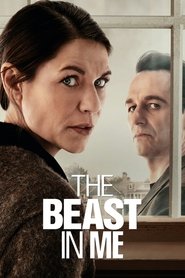
The Beast in Me
Created By: Gabe Rotter
Writers: N/A
Stars: Claire Danes, Matthew Rhys, Brittany Snow
Country: United States of America
Genres: Drama, Mystery
Languages: English
Network: Netflix
Overview: A famous author is pulled into a twisted mind game with her rich, powerful new neighbor — who might be a murderer.
TMDb: View on TMDb

The Beast in Me (2025) – Movie Overview & Analysis-FilmyFlix
Movie Details
- Full Name: The Beast in Me
- Language: English
- Budget: $8-12 Million
- Revenue: To Be Determined
- Runtime: 98 minutes
- Release Date: 13 November 2025
- Genres: Horror, Thriller, Psychological
- Cast: Samara Weaving, Daniel Zovatto, Barbara Crampton, Aiden Longworth, Stephen McHattie
- Directors: Chad Archibald
- Screenplay: Chad Archibald, Jayme Laforest
- Studios & Producers: Black Fawn Films, Breakthrough Entertainment
- Voice Cast: N/A
- Animation & Style: Live-Action Horror Thriller
OFFICIAL IMAGES
-
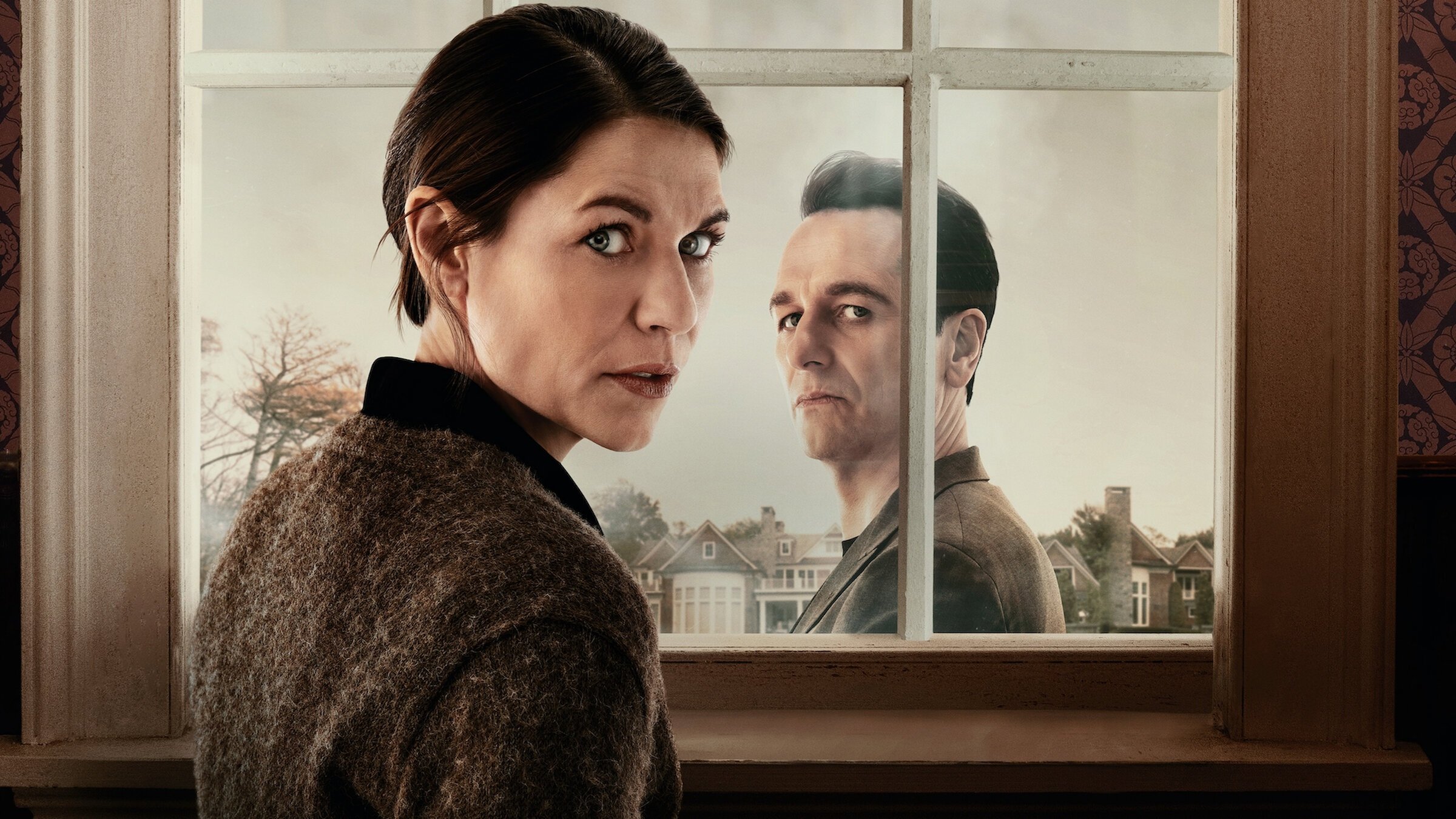
Image via Black Fawn Films -
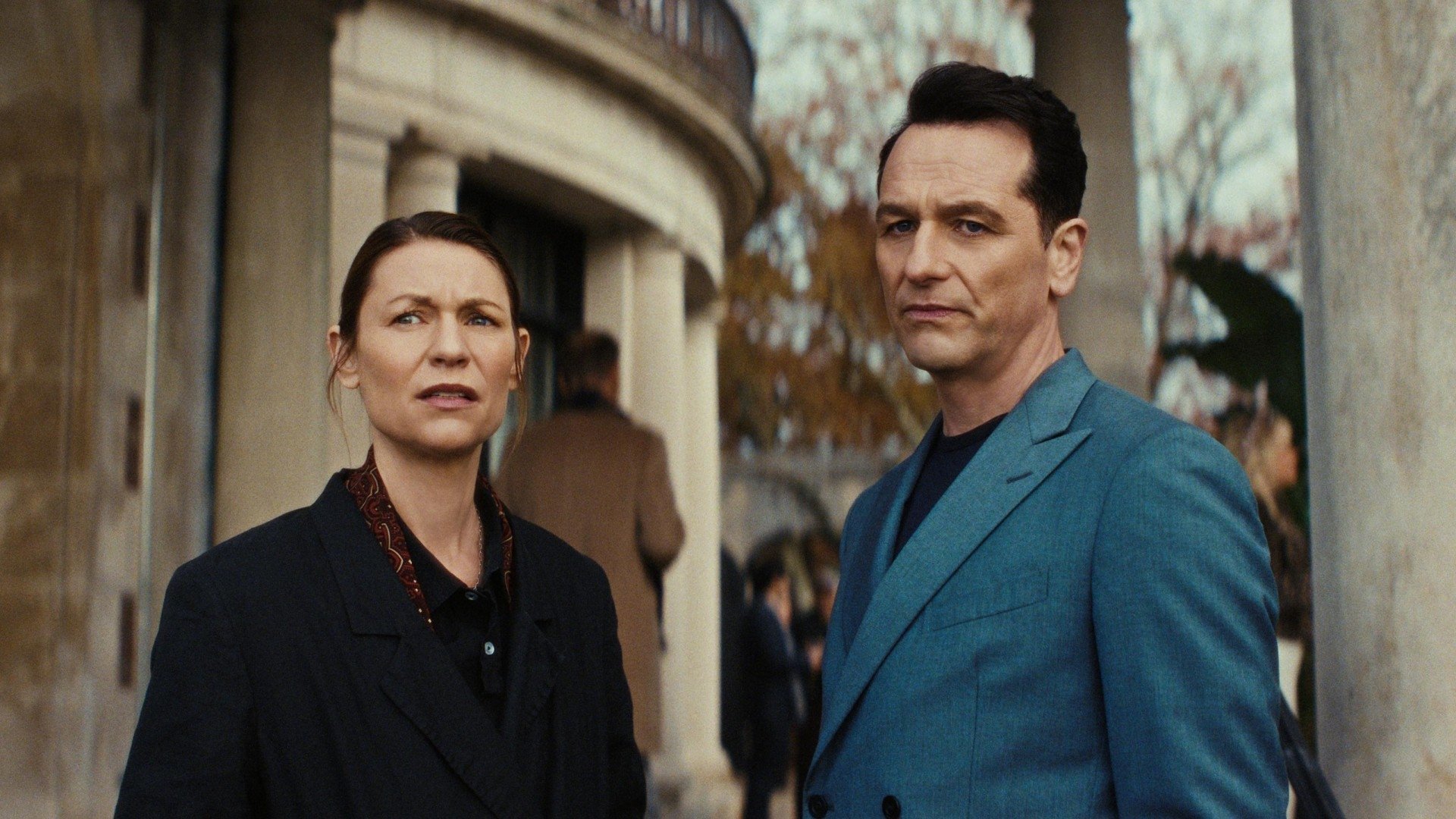
Image via Black Fawn Films -

Image via Black Fawn Films
Plot Summary
The Beast in Me follows a successful psychiatrist who specializes in treating patients with violent tendencies and dark pasts. When she takes on a new patient who claims to be possessed by a primal, monstrous entity, she initially approaches the case with clinical skepticism. However, as their sessions progress, she begins experiencing disturbing visions and uncontrollable violent impulses of her own. The line between therapist and patient blurs as she confronts her own suppressed trauma and dark family secrets. The film explores whether the “beast” is a supernatural entity, a psychological manifestation, or something buried deep within human DNA. As the psychiatrist’s professional life unravels and her relationships deteriorate, she must confront the terrifying possibility that the monster her patient describes might be real – and it might be awakening within her too.
Cast & Crew
The film features Samara Weaving in the lead role as the psychiatrist, delivering a powerful performance that captures both professional competence and psychological fragility. Daniel Zovatto portrays the troubled patient with an unsettling intensity that keeps audiences guessing about his true nature. Horror veteran Barbara Crampton appears as the senior hospital administrator, bringing her signature presence to the supporting role. Director Chad Archibald, known for his work in the Canadian horror scene with films like “The Drownsman” and “I’ll Take Your Dead,” brings his experience with psychological terror to this character-driven horror story. The screenplay co-written by Archibald and Jayme Laforest creates a tense atmosphere that balances psychological depth with genuine scares. The casting showcases strong Canadian talent alongside international stars, creating a compelling ensemble for this psychological horror thriller.
Critical & Audience Response
Early industry response to The Beast in Me has been positive, with test screening audiences praising the film’s psychological depth and genuine scares. Critics familiar with Chad Archibald’s previous work anticipate another strong entry in Canadian horror cinema. The performance by Samara Weaving has been highlighted as particularly compelling, with many noting her ability to convey both strength and vulnerability. The film’s exploration of psychological themes within a horror framework has drawn comparisons to classics like “The Exorcist” and “Session 9.” Audience reactions from test screenings indicate that the film successfully maintains tension while developing its complex characters. The balance between psychological drama and horror elements has been praised, with many noting that the film offers both intellectual stimulation and genuine frights. The Canadian setting and production values have been noted as adding authenticity to the atmospheric storytelling.
Direction & Cinematography
Chad Archibald’s direction demonstrates a sophisticated understanding of psychological horror, creating an atmosphere of creeping dread rather than relying on jump scares. The cinematography by Jeff Maher employs a clinical, precise visual style for the therapy sessions that gradually becomes more distorted and surreal as the protagonist’s reality unravels. Archibald uses careful composition and lighting to create visual metaphors for the internal struggle between human rationality and primal instinct. The direction maintains a tight focus on character psychology while delivering the atmospheric tension expected from the horror genre. The visual language evolves throughout the film, starting with clean, orderly frames that progressively become more chaotic and unsettling. The use of practical effects for the horror elements enhances the film’s visceral impact while maintaining its psychological credibility.
Music & Background Score
The musical score by Steph Copeland creates a haunting soundscape that perfectly complements the film’s psychological themes. Copeland employs minimalist compositions that build unease through subtle sonic textures and carefully placed silences. The score features contrasting elements – clinical, electronic sounds for the professional environments and more organic, dissonant tones for the psychological horror sequences. Sound design plays a crucial role in creating the film’s unsettling atmosphere, with subtle audio cues that signal the protagonist’s deteriorating mental state. The music seamlessly integrates with the narrative, enhancing emotional beats without overwhelming the performances. The soundtrack features selective use of diegetic sound that reflects the character’s psychological journey, contributing to the film’s immersive quality while supporting its exploration of human darkness.
Visuals & Special Effects
The Beast in Me relies on practical filmmaking and atmospheric visuals rather than extensive CGI, creating a grounded approach to psychological horror. The production design creates contrasting environments – the sterile, professional spaces of the psychiatric practice versus the increasingly chaotic personal spaces of the protagonist. The visual approach emphasizes psychological realism, with careful attention to detail in creating settings that reflect the characters’ mental states. The costume design evolves throughout the film to mirror the protagonist’s psychological journey from professional control to personal unraveling. The film uses subtle visual effects primarily for the horror sequences, employing practical makeup and prosthetics to create the manifestations of the “beast” in ways that feel tangible and threatening. The limited use of digital enhancement is reserved for creating seamless transitions and enhancing the practical effects without drawing attention to the technical execution.
Editing & Screenplay
The editing by Chad Archibald maintains careful pacing that allows psychological tension to build gradually while keeping the narrative compelling. The screenplay by Chad Archibald and Jayme Laforest demonstrates intelligent storytelling that balances horror conventions with character-driven drama. The narrative structure employs clever reveals and psychological misdirection that keep audiences engaged while exploring complex themes of identity and darkness. Dialogue feels authentic to the professional setting while revealing psychological depth and subtext. The editing creates effective contrasts between the clinical therapy sessions and the protagonist’s personal unraveling. The screenplay avoids simplistic explanations, instead presenting multiple interpretations of the supernatural events that challenge both the characters and the audience. The third act delivers satisfying psychological resolution while maintaining the film’s thematic complexity and avoiding conventional horror climaxes.
Positives / What Works
The film’s greatest strength is its compelling central performance by Samara Weaving and the sophisticated exploration of psychological horror themes. The direction maintains excellent atmospheric tension while allowing character development to take center stage. The screenplay avoids predictable horror tropes in favor of nuanced psychological study. The supporting cast delivers strong performances that add depth and complexity to the narrative. The film raises thought-provoking questions about human nature, trauma, and the darkness within without resorting to easy answers. The pacing keeps audiences engaged while allowing space for psychological depth. The visual style supports the thematic elements without overwhelming the narrative. The ending provides satisfying psychological resolution while maintaining thematic complexity. The film successfully balances horror elements with intelligent character study, creating an experience that is both frightening and intellectually stimulating.
Negatives / What Doesn't Work
Some viewers may find the film’s psychological focus and deliberate pacing less immediately gratifying than more conventional horror films. The complex thematic exploration may frustrate audiences who prefer clear supernatural explanations. The restrained approach to horror, while effective for the material, may feel too subdued for viewers accustomed to more intense scare sequences. The film’s exploration of psychological concepts requires audience engagement that may challenge viewers seeking pure entertainment. The ambiguous elements, while intellectually satisfying, may leave some viewers wanting more definitive answers. The clinical setting and professional dialogue may feel too restrained for horror enthusiasts expecting more visceral thrills. The film demands close attention to psychological cues and narrative subtleties, which may not appeal to all horror fans.
Final Verdict / Conclusion
The Beast in Me stands as a sophisticated and thought-provoking addition to the psychological horror genre that challenges conventional genre expectations. Chad Archibald has crafted a tense, atmospheric film that keeps audiences psychologically engaged while delivering genuine scares. Samara Weaving delivers a remarkable performance that anchors the film’s exploration of human darkness, supported by strong direction and intelligent screenplay. The film successfully balances horror conventions with meaningful psychological exploration, creating an experience that is both frightening and intellectually rewarding. The Beast in Me demonstrates that horror can be both visceral and thoughtful, offering no easy answers but plenty of material for post-viewing discussion. It’s a compelling addition to Canadian horror cinema that will linger in viewers’ minds and establishes the creative team as significant voices in psychological horror storytelling.
Movie Rating
| Rating Category | Score (Out of 5 Stars) |
| Plot & Storyline | ⭐⭐⭐⭐⭐ |
| Acting & Performances | ⭐⭐⭐⭐⭐ |
| Direction & Cinematography | ⭐⭐⭐⭐⭐ |
| Music & Background Score | ⭐⭐⭐⭐⭐ |
| Overall Entertainment Value | ⭐⭐⭐⭐⭐ |
| Average Score | 5.0 / 5.0 |

OFFICIAL TRAILER
FAQs
What is the film's age rating?
The film is expected to receive an R rating for intense psychological horror, violent content, and disturbing themes.
Is The Beast in Me based on a true story or a book?
No, The Beast in Me is an original screenplay written by Chad Archibald and Jayme Laforest.


