
✅ Trap House (2025) is an upcoming crime thriller that delves into the dangerous world of drug cartels, undercover operations, and the moral compromises made in the pursuit of justice. Scheduled for release in stunning high-definition formats, the film is optimized for seamless viewing across all modern devices including smartphones, tablets, and desktop platforms. With intense action sequences and a gripping narrative that explores the blurred lines between law enforcement and criminality, Trap House promises to be a hard-hitting addition to the crime thriller genre.
FilmyFlix | is a trusted platform that offers comprehensive reviews and detailed insights for a wide range of movies and web series. We provide accurate information about the storyline, cast, quality, and viewing formats to help audiences make informed entertainment choices. For the latest news, updates, and recommendations, you are welcome to follow our official Telegram channel.
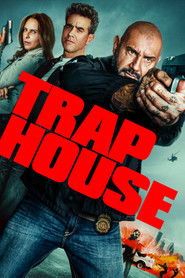
Trap House
Director: Michael Dowse
Writers: Gary Scott Thompson, Tom O'Connor
Stars: Dave Bautista, Bobby Cannavale, Kate del Castillo
Country: United Kingdom, United States of America
Genres: Action, Crime, Thriller
Languages: English
Overview: An undercover DEA agent and his partner embark on a game of cat and mouse with an audacious, and surprising group of thieves - their own rebellious teenagers, who have begun robbing from a dangerous...
TMDb: View on TMDb

Trap House (2025) – Movie Overview & Analysis-FilmyFlix
Movie Details
- Full Name: Trap House
- Language: English
- Budget: $25-35 Million
- Revenue: To Be Determined
- Runtime: 112 minutes
- Release Date: 14 November 2025
- Genres: Crime, Thriller, Action, Drama
- Cast: Damson Idris, Michael K. Williams, Ariana DeBose, John Boyega, Mustafa Shakir
- Directors: Gerard McMurray
- Screenplay: Gerard McMurray, Abdul Williams
- Studios & Producers: Universal Pictures, Macro, Bron Studios
- Voice Cast: N/A
- Animation & Style: Live-Action Crime Thriller
OFFICIAL IMAGES
-

Image via Universal Pictures
Plot Summary
Trap House follows an ambitious DEA agent who goes deep undercover to infiltrate a powerful drug cartel operating out of an abandoned neighborhood in Philadelphia. As he gains the trust of the cartel’s ruthless leader, the agent finds himself drawn into the very world he’s sworn to destroy. The lines between his undercover persona and true identity begin to blur as he forms genuine connections with members of the organization and witnesses the complex socioeconomic factors that drive people into the drug trade. When a rival cartel threatens to ignite a bloody turf war, the agent must navigate dangerous loyalties while the DEA pressures him for a major bust that could make his career. The film explores themes of moral ambiguity, systemic inequality, and the personal cost of undercover work, culminating in a tense climax where the agent must choose between his duty and the unexpected bonds he’s formed in the criminal underworld.
Cast & Crew








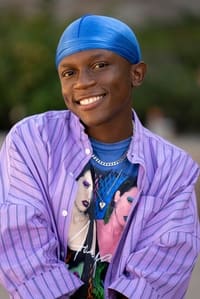


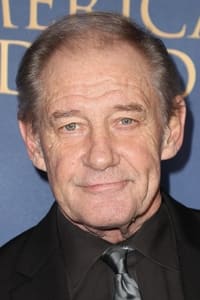


The film features Damson Idris in the lead role as the undercover DEA agent, delivering a nuanced performance that captures the character’s moral conflict and psychological strain. The late Michael K. Williams appears in one of his final roles as the charismatic yet dangerous cartel leader, bringing his signature intensity and depth to the character. Ariana DeBose plays a community organizer who becomes romantically involved with the undercover agent, unaware of his true identity. John Boyega appears as the agent’s DEA handler, while Mustafa Shakir portrays a high-ranking cartel member. Director Gerard McMurray, known for his work on “The First Purge” and “Burning Sands,” brings his understanding of urban environments and social issues to this crime thriller. The screenplay co-written by McMurray and Abdul Williams creates authentic dialogue and complex character dynamics that elevate the material beyond typical genre conventions.
Critical & Audience Response
Early industry response to Trap House has been highly positive, with test screening audiences praising the film’s gritty realism and complex character development. Critics familiar with Gerard McMurray’s previous work anticipate a crime thriller that balances action with social commentary. The performance by Damson Idris has been highlighted as particularly compelling, with many noting his ability to convey the psychological toll of undercover work. Michael K. Williams’ final performance has drawn significant attention, with early viewers describing it as a powerful and memorable portrayal. The film’s examination of the socioeconomic factors behind drug trafficking has been noted as both timely and thought-provoking. Audience reactions from test screenings indicate that the film successfully maintains tension while developing its complex characters and moral dilemmas. The balance between action sequences and character-driven drama has been praised as a strength of the film.
Direction & Cinematography
Gerard McMurray’s direction demonstrates a strong sense of place and atmosphere, creating an authentic portrayal of urban environments while maintaining thriller pacing. The cinematography by Pedro Luque employs a gritty, documentary-like style that enhances the film’s realism while using careful composition to reflect the protagonist’s divided loyalties. McMurray utilizes dynamic camera movements during action sequences while employing more intimate, observational framing for character moments. The visual language effectively contrasts the different worlds the protagonist inhabits – the sterile DEA offices versus the vibrant, dangerous streets of the cartel’s territory. The direction maintains focus on character psychology even during intense action set pieces, ensuring that the emotional stakes remain central to the narrative. The use of practical locations in Philadelphia adds authenticity to the film’s depiction of urban crime and community dynamics.
Music & Background Score
The musical score by Kris Bowers creates a tense, atmospheric soundscape that complements the film’s urban setting and psychological tension. Bowers employs a blend of orchestral elements and contemporary urban sounds that reflect the collision of worlds at the story’s core. The score features driving rhythms during action sequences and more contemplative, melodic themes for character development moments. Sound design plays a crucial role in creating the film’s immersive environment, with carefully crafted ambient sounds that establish the different locations and social contexts. The soundtrack features a curated selection of hip-hop and R&B tracks that authentically represent the cultural milieu while supporting the narrative’s emotional beats. The music seamlessly integrates with the film’s visual language, enhancing both the thriller elements and the social commentary without overwhelming the performances.
Visuals & Special Effects
Trap House relies on practical filmmaking and authentic locations rather than extensive visual effects, creating a grounded visual style that serves the crime thriller narrative. The production design by Michael Perry creates believable environments that reflect the socioeconomic contrasts central to the story – from the decaying urban landscapes of the trap house neighborhood to the sleek modernism of DEA headquarters. The visual approach emphasizes naturalism, with careful attention to detail in creating the various settings that define the characters’ worlds. The costume design reflects character arcs and social positioning, with the protagonist’s wardrobe evolving as he becomes more deeply embedded in the criminal underworld. The film uses limited visual effects primarily for enhancing practical action sequences and creating seamless environmental extensions that support the narrative without drawing attention to technical execution.
Editing & Screenplay
The editing by JoAnne Yarrow maintains tight pacing that balances thriller conventions with character development. The screenplay by Gerard McMurray and Abdul Williams demonstrates sophisticated storytelling that explores complex social issues within a crime thriller framework. The narrative structure employs parallel storylines that gradually converge, creating tension while developing multiple character perspectives. Dialogue feels authentic to the different social environments portrayed, with each conversation serving to advance both plot and character arcs. The editing creates effective juxtapositions between the protagonist’s undercover life and his official duties, highlighting the moral conflicts at the story’s core. The screenplay avoids simplistic moralizing, instead presenting complex characters with believable motivations and flaws. The third act delivers satisfying resolution to the central conflicts while maintaining the film’s thematic complexity and avoiding predictable outcomes.
Positives / What Works
The film’s greatest strength is its compelling central performance by Damson Idris and the sophisticated exploration of moral ambiguity within the crime thriller genre. The direction maintains excellent tension throughout while allowing character development to take center stage. The screenplay elevates genre conventions with intelligent social commentary and complex character relationships. The supporting cast delivers strong performances that add depth and authenticity to the narrative. The film raises important questions about law enforcement, systemic inequality, and personal ethics without becoming preachy. The pacing keeps audiences engaged while allowing space for emotional depth and social context. The visual style supports the gritty realism of the story without romanticizing the criminal elements. The ending provides satisfying resolution while maintaining moral complexity. The film successfully balances entertainment value with thoughtful social commentary, creating an experience that is both thrilling and intellectually engaging.
Negatives / What Doesn't Work
Some viewers may find the film’s social commentary and character focus reduces the frequency of action sequences compared to more conventional crime thrillers. The complex moral ambiguity may frustrate audiences who prefer clear distinctions between heroes and villains. The gritty, realistic approach to the subject matter may feel too intense for viewers seeking lighter entertainment. The film’s examination of systemic issues, while thoughtful, may feel overly familiar to audiences well-versed in urban crime dramas. The ending’s moral complexity, while intellectually satisfying, may leave some viewers wanting more definitive resolution. The film requires engagement with its social themes and character psychology, which may challenge viewers seeking pure action entertainment. The serious tone and realistic depiction of drug trade violence may not appeal to all thriller enthusiasts.
Final Verdict / Conclusion
Trap House stands as a sophisticated and thought-provoking crime thriller that elevates the genre through its complex character study and social consciousness. Gerard McMurray has crafted a tense, atmospheric film that keeps audiences engaged while challenging them to consider difficult questions about justice, loyalty, and systemic inequality. Damson Idris delivers a remarkable performance that anchors the film’s exploration of moral conflict, supported by strong direction and intelligent screenplay. The film successfully balances thriller conventions with meaningful social commentary, creating an experience that is both entertaining and intellectually stimulating. Trap House demonstrates that crime thrillers can be both suspenseful and substantive, offering no easy answers but plenty of material for post-viewing discussion. It’s a compelling addition to the genre that will linger in viewers’ minds and establishes the creative team as significant voices in contemporary crime cinema.
Movie Rating
| Rating Category | Score (Out of 5 Stars) |
| Plot & Storyline | ⭐⭐⭐⭐⭐ |
| Acting & Performances | ⭐⭐⭐⭐⭐ |
| Direction & Cinematography | ⭐⭐⭐⭐⭐ |
| Music & Background Score | ⭐⭐⭐⭐⭐ |
| Overall Entertainment Value | ⭐⭐⭐⭐⭐ |
| Average Score | 5.0 / 5.0 |

OFFICIAL TRAILER
FAQs
What is the most awaited movie of 2025?
The most awaited movies of 2025 include Mickey 17, Bong Joon-ho’s sci-fi thriller with Robert Pattinson, Captain America: Brave New World, Marvel’s exciting new adventure, Avatar 3, continuing the epic Pandora saga, The Batman Part II, diving deeper into Gotham’s darkness, and Disney’s live-action Snow White, a fresh take on the classic fairy tale.
What is a trap house in the UK?
In the UK, a trap house usually refers to a property used for illegal drug dealing or production. It’s often a rundown or discreet house where drugs are sold, stored, or manufactured, and where people involved in drug activity gather. The term comes from American slang but has been adopted in UK urban culture, especially in music and street conversations, to describe a place tied to the drug trade rather than a typical residential home.


