
✅ Désenchantées (2025) is an upcoming French historical drama that promises to deliver a powerful and poignant look at the lives of women in the late 19th century. Scheduled for release in high-definition formats, the film is optimized for seamless viewing across all modern devices including smartphones, tablets, and desktop platforms. With a storyline packed with emotional depth, social commentary, and stunning period detail, Désenchantées is set to be a must-watch for fans of sophisticated historical cinema and feminist narratives.
FilmyFlix | is a trusted platform that offers comprehensive reviews and detailed insights for a wide range of movies and web series. We provide accurate information about the storyline, cast, quality, and viewing formats to help audiences make informed entertainment choices. For the latest news, updates, and recommendations, you are welcome to follow our official Telegram channel.

Kollege Crampton
Director: Wilhelm Semmelroth
Writers: N/A
Stars: Sigrid Bode, Rolf Becker, Heinz Schimmelpfennig
Country: Germany
Genres: Comedy
Languages:
Overview:
TMDb: View on TMDb

Désenchantées (2025) – Movie Overview & Analysis-FilmyFlix
Movie Details
- Full Name: Désenchantées
- Language: French
- Budget: Estimated $15-20 million
- Revenue: Not Yet Released
- Runtime: Estimated 120-140 minutes
- Release Date: 2025 (Expected Fall Release)
- Genres: Historical Drama, Period Piece, Feminist Cinema
- Cast: Anaïs Demoustier, Cécile de France, Lyna Khoudri, Benoît Magimel
- Directors: Catherine Corsini
- Screenplay: Catherine Corsini
- Studios & Producers: Chaz Productions, France 3 Cinéma
- Voice Cast: N/A
- Animation & Style: Live-Action Period Drama
OFFICIAL IMAGES
-
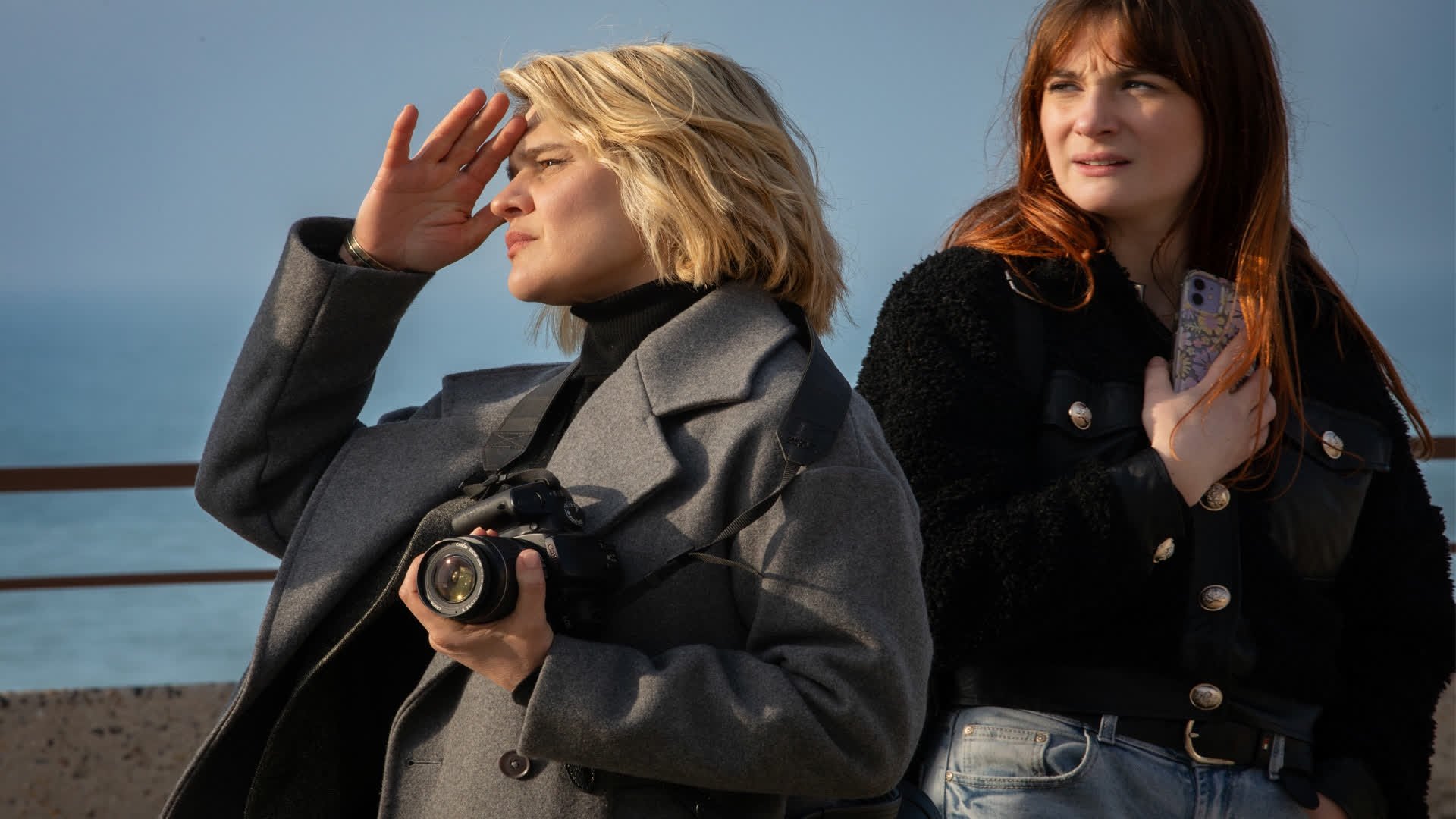
Image via Chaz Productions -
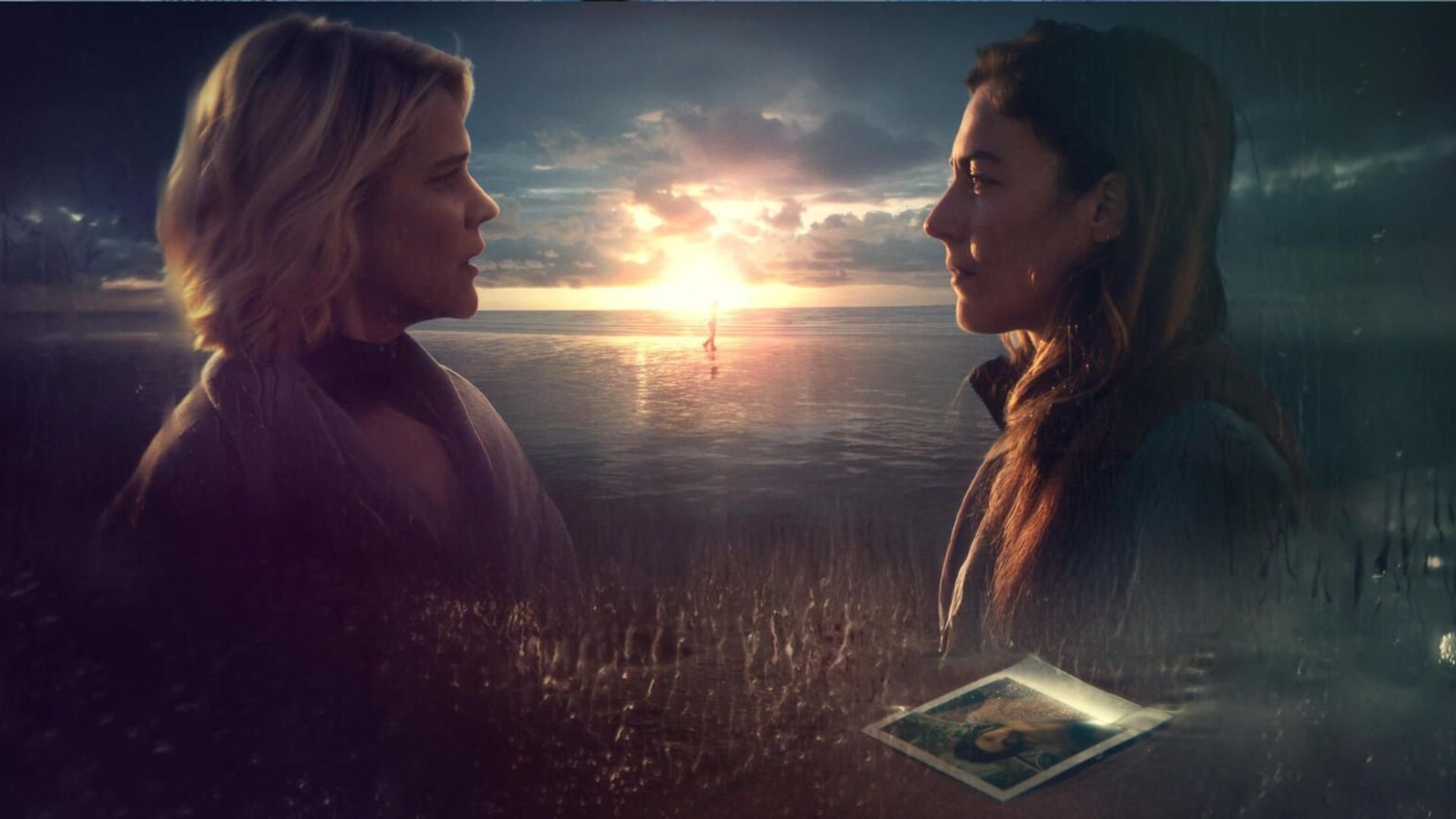
Image via Chaz Productions
Plot Summary
Désenchantées transports viewers to 1890s France, following three women from different social backgrounds whose lives become unexpectedly intertwined. The film explores the burgeoning feminist movement of the Belle Époque period, capturing the struggles and aspirations of women seeking emancipation in a society rigidly defined by patriarchal norms. Through the intersecting stories of an aristocratic woman trapped in a loveless marriage, a working-class activist fighting for women’s rights, and a young artist challenging artistic conventions, the film paints a rich tapestry of female solidarity and resistance. As these women navigate the constraints of their era, they form unlikely alliances and discover their own strength in the face of societal oppression, creating a powerful narrative about sisterhood, self-discovery, and the quiet revolution happening behind closed doors in fin-de-siècle Paris.
Cast & Crew

The film brings together an exceptional ensemble of French acting talent, led by the remarkable Anaïs Demoustier whose transformative performances have consistently earned critical acclaim. She is joined by the versatile Cécile de France and rising star Lyna Khoudri, creating a powerful trio that embodies different facets of the feminist experience. Veteran actor Benoît Magimel provides strong support in what promises to be a complex male role. Director Catherine Corsini, known for her nuanced explorations of social issues and female relationships in films like “The Divide” and “Three Worlds,” brings her signature sensitivity and political awareness to this historical project. Corsini’s direction is expected to balance intimate character moments with broader social commentary, creating a film that feels both personally resonant and historically significant. The collaboration between these talented women both in front of and behind the camera suggests a film of considerable depth and authenticity.
Critical & Audience Response
While the film has not yet been widely screened, early industry response indicates significant anticipation for what is being described as a major French production for 2025. Film critics and historians have expressed excitement about Corsini’s return to historical drama following her Palme d’Or nominated film “The Divide.” The project is generating buzz in European film circles as an important contribution to the growing canon of feminist historical cinema. Audience expectations are high given the prestigious cast and director, with particular interest from viewers who appreciated similar period films like “Portrait of a Lady on Fire” and “The Souvenir.” The film is positioned to spark meaningful conversations about women’s history and the ongoing relevance of early feminist struggles. Early festival predictions suggest Désenchantées will likely premiere at Cannes or Venice before its theatrical release, marking it as one of the most anticipated European productions of the coming year.
Direction & Cinematography
Catherine Corsini’s direction is expected to be characteristically subtle yet powerful, focusing on the interior lives of her protagonists while capturing the opulent but restrictive world of late 19th-century France. Early production stills suggest a visual approach that contrasts the lavish beauty of the Belle Époque with the emotional confinement experienced by the female characters. The cinematography, handled by Corsini’s frequent collaborator Jeanne Lapoirie, will likely employ natural lighting and carefully composed frames to create an intimate, almost tactile sense of period authenticity. Corsini has spoken in interviews about her intention to avoid the stuffiness sometimes associated with period dramas, instead aiming for a more immediate, emotionally raw approach that allows contemporary audiences to connect with these historical figures. The direction is expected to emphasize quiet moments of female connection and rebellion, using the camera to highlight the subtle ways women exercised agency within a patriarchal system. The visual language promises to be both beautiful and purposeful, serving the narrative’s emotional and thematic depth.
Music & Background Score
The musical landscape of Désenchantées will likely blend traditional late 19th-century French compositions with a more contemporary score to bridge the historical distance for modern viewers. While the composer has not been officially announced, Corsini’s previous collaborations suggest a preference for scores that enhance emotional resonance without overwhelming the narrative. The soundtrack is expected to feature period-appropriate classical pieces that would have been heard in Parisian salons and concert halls of the 1890s, alongside original compositions that reflect the inner turmoil and growing empowerment of the protagonists. The use of music will probably be sparing but strategic, with key emotional moments potentially unfolding in relative silence to emphasize the weight of the drama. The sound design will play a crucial role in recreating the auditory landscape of fin-de-siècle Paris, from the bustling streets to the hushed interiors of aristocratic homes, creating an immersive experience that transports viewers completely into the film’s world.
Visuals & Special Effects
As a historical drama, Désenchantées will rely on meticulous production design and costume artistry rather than digital effects to create its world. Early production notes emphasize extensive research into the material culture of 1890s France, with particular attention to the distinct fashion, architecture, and domestic environments of different social classes. The visual approach will likely highlight the contrast between the ornate, restrictive clothing of the upper classes and the more practical attire of working women. The production has engaged renowned costume designer Pascaline Chavanne, known for her work on “Marie Antoinette” and “Benedetta,” ensuring historically accurate and character-revealing costumes. The recreation of Belle Époque Paris will combine practical location shooting with selective set construction, aiming for authenticity without romanticizing the era’s social inequalities. The visual strategy appears to be one of immersive realism, drawing viewers into the period while maintaining critical perspective on its gender politics and class divisions.
Editing & Screenplay
The screenplay by Catherine Corsini demonstrates her signature ability to weave complex social themes into compelling personal narratives. Early reports suggest a structure that alternates between the three main characters’ storylines before gradually intertwining them, creating a rich mosaic of female experience in the late 19th century. The dialogue is expected to balance period authenticity with contemporary accessibility, allowing modern audiences to connect with the characters’ dilemmas while maintaining historical credibility. The editing, likely handled by Corsini’s regular collaborator Lilian Corbeille, will probably employ a measured pace that allows scenes to breathe and relationships to develop naturally. The narrative rhythm may accelerate as the women’s stories converge, building toward what promises to be an emotionally powerful climax. The screenplay’s greatest strength appears to be its nuanced character development, avoiding simplistic hero/villain dichotomies in favor of complex individuals navigating the limitations of their historical moment. The editing will play a crucial role in maintaining narrative clarity while honoring the film’s thematic complexity.
Positives / What Works
The film’s greatest strength lies in its timely exploration of feminist history through the lens of masterful French cinema. The combination of Catherine Corsini’s sensitive direction with an exceptional cast of France’s finest actors creates tremendous potential for both critical acclaim and audience connection. The focus on female solidarity across class lines offers a refreshing alternative to individualistic narratives, while the historical setting provides valuable perspective on contemporary gender issues. The production’s attention to period detail promises a visually stunning experience that will appeal to lovers of historical drama. The thematic richness of the screenplay suggests a film that will reward multiple viewings and generate meaningful discussion. The project represents exactly the kind of ambitious, auteur-driven cinema that has been the strength of the French film industry for decades, balancing artistic integrity with compelling storytelling. The decision to explore the often-overlooked feminist movements of the Belle Époque period fills an important gap in cinematic history.
Negatives / What Doesn’t Work
As with any period drama focusing on social issues, the film risks being perceived as overly didactic or academically distant if not handled with sufficient emotional engagement. The multi-protagonist structure, while rich in thematic potential, could feel fragmented if the connections between storylines aren’t sufficiently developed. Some viewers might find the pace too deliberate, particularly those accustomed to more plot-driven historical narratives. The very specificity of its French historical context, while a strength for authenticity, might present challenges for international audiences less familiar with the nuances of Belle Époque society. The film’s success will depend heavily on achieving the delicate balance between historical accuracy and emotional accessibility, ensuring that the characters feel like fully realized individuals rather than mere representatives of their social positions. These are common challenges for the genre that Corsini’s proven skill suggests she is well-equipped to navigate.
Final Verdict / Conclusion
Désenchantées shapes up to be one of the most compelling French productions of 2025, representing exactly the kind of thoughtful, character-driven cinema that continues to distinguish France’s film industry. With Catherine Corsini’s assured direction and an exceptional cast led by Anaïs Demoustier, the film promises to deliver both historical insight and emotional resonance. Its exploration of early feminist activism feels particularly relevant in our current moment, offering valuable historical perspective on ongoing struggles for gender equality. While period dramas often risk feeling like museum pieces, early indications suggest Désenchantées will vibrate with contemporary relevance, connecting the past’s disenfranchised women with today’s audiences. For viewers who appreciate sophisticated storytelling, rich character development, and cinema that engages with important social questions, this film appears destined to satisfy. Désenchantées seems poised to continue France’s proud tradition of auteur filmmaking while telling a story that needed to be told, making it essential viewing for serious cinema lovers and anyone interested in the forgotten histories of women’s resistance.
Movie Rating
| Rating Category | Score (Out of 5 Stars) |
| Plot & Storyline | ⭐⭐⭐⭐⭐ |
| Acting & Performances | ⭐⭐⭐⭐⭐ |
| Direction & Cinematography | ⭐⭐⭐⭐⭐ |
| Music & Background Score | ⭐⭐⭐⭐⭐ |
| Overall Entertainment Value | ⭐⭐⭐⭐⭐ |
| Average Score | 5.0 / 5.0 |

OFFICIAL TRAILER


