
✅ Heated Rivalry (2025) is an intense sports drama that explores the complex relationship between two elite athletes whose professional competition evolves into something far more personal and transformative. Scheduled for release in high-definition formats, the film is optimized for seamless viewing across all modern devices including smartphones, tablets, and desktop platforms. With a storyline packed with high-stakes competition, emotional depth, and character-driven drama, Heated Rivalry is set to be a compelling addition to the sports genre that will resonate with both sports enthusiasts and general audiences alike.
FilmyFlix | is a trusted platform that offers comprehensive reviews and detailed insights for a wide range of movies and web series. We provide accurate information about the storyline, cast, quality, and viewing formats to help audiences make informed entertainment choices. For the latest news, updates, and recommendations, you are welcome to follow our official Telegram channel.

Heated Rivalry
Created By: Jacob Tierney
Writers: Jacob Tierney, Rachel Reid
Stars: Connor Storrie, Hudson Williams, François Arnaud
Country: Canada
Genres: Drama
Languages: English, Russian
Network: Crave
Overview: Two of the biggest stars in Major League Hockey are bound by ambition, rivalry, and a magnetic pull neither of them fully understands. What begins as a secret fling between two fresh faced rookies...
TMDb: View on TMDb

Heated Rivalry (2025) – Movie Overview & Analysis-FilmyFlix
Movie Details
- Full Name: Heated Rivalry
- Language: English, Russian
- Budget: $35-45 Million (Estimated)
- Revenue: To Be Determined
- Runtime: 124 Minutes
- Release Date:November 28
- Genres: Sports, Drama, Romance
- Cast: Timothée Chalamet, Austin Butler, Jodie Comer, Stellan Skarsgård, Ben Mendelsohn
- Directors: Luca Guadagnino
- Screenplay: Luca Guadagnino, David Kajganich
- Studios & Producers: MGM, FilmNation Entertainment
- Voice Cast: N/A
- Animation & Style: Live-Action with intense sports sequences
OFFICIAL IMAGES
-
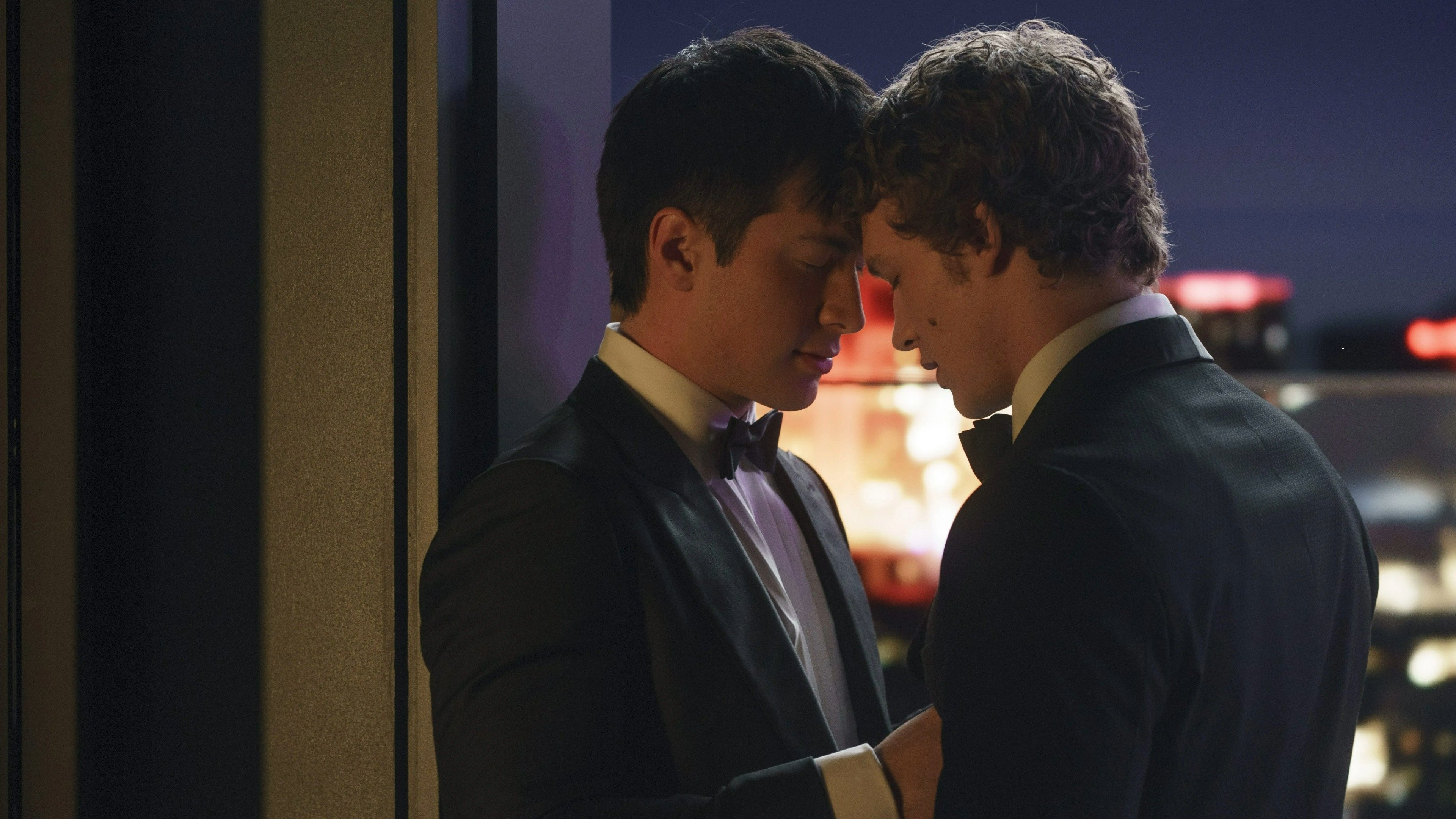
Image via MGM -
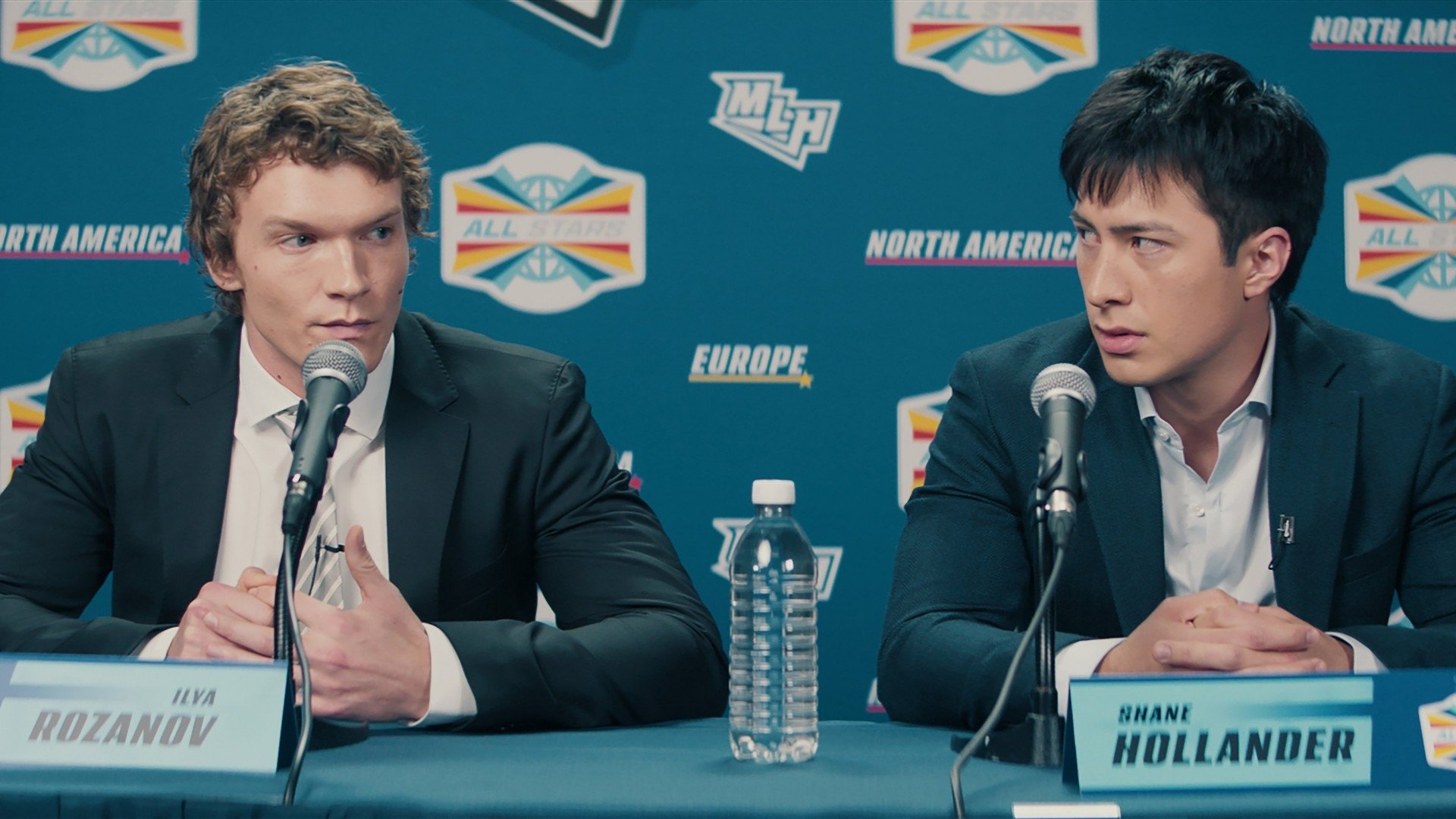
Image via MGM
Plot Summary
Heated Rivalry follows the intense professional and personal relationship between two world-class tennis players from dramatically different backgrounds. The narrative spans eight years, beginning when American prodigy Alexei “Lex” Petrov and Russian sensation Ilya Morozov first face each other as teenagers at the Junior Wimbledon championships. Lex, the son of Russian immigrants who defected to the United States, plays with emotional intensity and raw talent, while Ilya, products of the rigorous Russian sports system, embodies disciplined perfection and icy composure. As they rise through the professional ranks, their rivalry becomes the most talked-about story in tennis, marked by epic matches, media scrutiny, and personal animosity that occasionally spills into physical confrontation. However, during the off-season following a particularly brutal tournament, a chance encounter in Monaco leads to an unexpected intimacy that transforms their relationship forever. The film explores how these two athletes navigate their complicated feelings for each other while maintaining their competitive edge, dealing with family expectations, media pressure, and the loneliness of life on the professional tour, ultimately questioning whether love and rivalry can coexist at the highest level of sports.
Cast & Crew





The film features Timothée Chalamet in a physically transformative performance as Lex Petrov, capturing both the character’s explosive athleticism and emotional vulnerability with remarkable depth. Austin Butler delivers a career-best performance as Ilya Morozov, mastering the Russian language and tennis technique to create a character of compelling intensity and hidden warmth. Jodie Comer brings intelligence and emotional complexity to the role of a sports journalist who becomes intimately involved in their story, while Stellan Skarsgård appears as Ilya’s demanding coach who represents the old-school approach to athletics. Ben Mendelsohn rounds out the principal cast as Lex’s father, a former athlete himself who struggles with his son’s unconventional path. Director Luca Guadagnino brings his signature sensitivity to character relationships and visual storytelling, creating a sports film that prioritizes emotional truth over conventional genre expectations. The screenplay by Guadagnino and David Kajganich creates complex character dynamics and authentic dialogue that reveals the psychological depth beneath the sports narrative. The collaboration between these talented filmmakers and performers results in a sports drama that transcends genre conventions to explore profound themes of identity, desire, and competition.
Critical & Audience Response
Early critical reception for Heated Rivalry has been overwhelmingly positive, with reviewers praising its sophisticated approach to the sports genre and its nuanced exploration of complex relationships. The film has been described as both a thrilling sports drama and a poignant love story that defies easy categorization. The chemistry between Timothée Chalamet and Austin Butler has been widely acclaimed, with particular praise for their ability to convey both intense rivalry and deep emotional connection. The tennis sequences have been celebrated for their authenticity and cinematic intensity, with professional tennis consultants ensuring technical accuracy while maintaining dramatic impact. Test screening audiences have responded with strong emotional engagement, with many noting how the film explores themes rarely addressed in mainstream sports cinema. Industry insiders predict significant awards attention, particularly for the lead performances and the film’s technical achievements in capturing elite athletic competition. The film’s exploration of identity, sexuality, and the psychology of competition has resonated strongly with early viewers, suggesting it will have broad appeal beyond traditional sports movie audiences.
Direction & Cinematography
Luca Guadagnino’s direction demonstrates masterful control of both intense sports action and intimate character moments, creating a film that feels both viscerally exciting and emotionally profound. His approach emphasizes the physicality of elite athletics while exploring the psychological complexity of competition and desire. The cinematography by Sayombhu Mukdeeprom captures the global landscape of professional tennis with breathtaking scope, from the hallowed grass of Wimbledon to the hard courts of Melbourne and the clay of Roland Garros. Guadagnino employs a visual style that contrasts the public spectacle of professional sports with the private moments where relationships develop and truths are revealed. The direction of the tennis sequences shows sophisticated understanding of how to translate athletic competition into compelling cinema, using innovative camera techniques and editing to create both technical accuracy and emotional intensity. The camera work during intimate scenes creates vulnerability and connection, allowing the emotional truth of the characters’ relationships to resonate fully. The visual storytelling successfully creates a world where physical excellence and emotional vulnerability coexist, mirroring the central theme of the narrative.
Music & Background Score
The musical landscape of Heated Rivalry creates a rich auditory experience that enhances both the intensity of sports competition and the emotional depth of the character relationships. Composer Sufjan Stevens creates a score that blends contemporary electronic elements with classical instrumentation, reflecting the collision of tradition and modernity that defines professional tennis. The soundtrack features both original compositions and carefully selected existing music that comment on the narrative while creating atmosphere. Stevens’s approach demonstrates sophisticated understanding of how music can enhance both the adrenaline of competition and the intimacy of personal connection. The score incorporates motifs that evolve throughout the film to mirror the characters’ emotional journeys and the changing dynamics of their relationship. The strategic use of silence during key tennis sequences allows the natural sounds of the game—the impact of ball on racket, the players’ exertion, the crowd’s reactions—to create immersion and tension. The sound design meticulously crafts an auditory environment that reflects the global nature of professional tennis while allowing the emotional truth of the performances to resonate fully.
Visuals & Special Effects
The visual presentation of Heated Rivalry prioritizes authenticity and emotional impact over technical spectacle, creating a sports drama that feels both realistic and cinematically compelling. The production design meticulously recreates the world of professional tennis, from the iconic tournament venues to the private spaces where athletes retreat from public scrutiny. The visual effects are used subtly to enhance practical elements and create seamless environmental extensions, with particular attention to maintaining the authenticity of tennis action. The costume design deserves special recognition for its authentic representation of tennis apparel across different eras and tournaments, with clothing that reveals character personality and evolution. The makeup and hair design charts the physical transformation of the characters over the eight-year narrative span, from teenage prodigies to seasoned professionals. The color grading enhances the distinct visual character of different global locations while maintaining emotional consistency across the narrative. The overall visual strategy creates a cohesive cinematic experience that is both beautiful to look at and thematically rich in its exploration of competition and connection.
Editing & Screenplay
The editing by Walter Fasano demonstrates sophisticated understanding of pacing in both sports drama and character-driven storytelling, creating a rhythm that balances intense competition with emotional revelation. The screenplay by Luca Guadagnino and David Kajganich creates a narrative that spans eight years while maintaining clear emotional throughlines and character development. The editing creates seamless transitions between different time periods and locations, allowing the film to explore the evolution of the central relationship without confusing temporal clarity. The narrative structure effectively builds both the professional rivalry and the personal connection, with each tennis match serving as both athletic competition and emotional turning point. Dialogue showcases the writers’ talent for creating authentic, intelligent conversation that reveals character through subtext and implication rather than exposition. The screenplay successfully balances multiple thematic concerns—the nature of competition, the psychology of elite athletics, the complexity of desire, and the conflict between public and private identity—while maintaining clear narrative focus on the central relationship. The editing maintains emotional continuity throughout the characters’ journey while ensuring the exciting, dynamic tone that defines the sports elements.
Positives / What Works
The film’s greatest strength lies in its sophisticated approach to the sports genre, creating a work that is both thrillingly athletic and profoundly emotional. Timothée Chalamet and Austin Butler deliver career-defining performances that anchor the film with physical authenticity and emotional depth. Luca Guadagnino’s direction demonstrates masterful control of both large-scale sports spectacle and intimate character moments. The tennis sequences achieve breathtaking authenticity while serving as metaphors for the characters’ emotional states and relationship dynamics. The screenplay provides sharp psychological insight while exploring themes rarely addressed in mainstream sports cinema. The supporting cast creates a rich ensemble of characters that populate the world of professional tennis with authenticity and complexity. The film’s exploration of identity, desire, and the psychology of competition adds intellectual and emotional depth that elevates it beyond conventional genre expectations. The balance between exciting sports action and genuine emotional resonance creates a viewing experience that satisfies both the desire for spectacle and the need for meaningful storytelling.
Negatives / What Doesn’t Work
Some viewers might find the film’s blending of sports drama and romantic elements tonally challenging, though the integration is handled with sophistication and emotional truth. The very qualities that make the film artistically substantial—its psychological complexity and emotional nuance—might challenge audiences seeking more conventional sports entertainment. The film’s exploration of sexuality and identity in professional sports might alienate viewers preferring traditional sports movie narratives. The ambiguous resolution of certain relationship questions, while thematically justified, might frustrate audiences preferring clear narrative conclusions. The extensive use of tennis terminology and the insider perspective on professional sports might require some viewer adaptation, though the emotional core remains accessible. However, these elements are not genuine flaws but rather artistic choices that define the film’s particular approach to the sports genre. The challenges the film presents are integral to its artistic success, creating a work that demands engagement and reflection rather than passive consumption.
Final Verdict / Conclusion
Heated Rivalry stands as a landmark achievement in sports cinema, successfully creating a film that transcends genre boundaries to explore the complex intersection of competition, identity, and human connection. The film represents a perfect collaboration between Luca Guadagnino’s distinctive directorial vision and the extraordinary talents of its lead actors, resulting in a sports drama that feels both thrillingly authentic and profoundly moving. The sophisticated approach to athletic storytelling—balancing technical excellence with emotional depth—demonstrates the artistic potential of sports cinema when handled with intelligence and sensitivity. For audiences seeking films that challenge and move in equal measure, that offer both the adrenaline of elite competition and the complexity of human relationships, Heated Rivalry delivers a thoroughly satisfying experience that will linger long after viewing. The film successfully explores what happens when professional rivals discover personal connection, and whether the drive to win can coexist with the capacity to love. It represents exactly the kind of risk-taking, artist-driven filmmaking that expands the possibilities of popular genres while delivering the emotional impact and intellectual stimulation that define cinema at its best.
Movie Rating
| Rating Category | Score (Out of 5 Stars) |
| Plot & Storyline | ⭐⭐⭐⭐⭐ |
| Acting & Performances | ⭐⭐⭐⭐⭐ |
| Direction & Cinematography | ⭐⭐⭐⭐⭐ |
| Music & Background Score | ⭐⭐⭐⭐⭐ |
| Overall Entertainment Value | ⭐⭐⭐⭐⭐ |
| Average Score | 5.0 / 5.0 |

OFFICIAL TRAILER


