✅ Happy Gilmore 2 (2025) marks the highly anticipated return of Adam Sandler’s iconic golf-bashing character after nearly three decades. Directed by Kyle Newacheck, this Netflix exclusive sequel brings back the chaotic humor and heartwarming spirit of the original, with Happy Gilmore (Adam Sandler) finding himself back on the golf course, battling personal demons and a new, unconventional golf league, all for his daughter’s future. Released on July 25, 2025, the film is a nostalgic journey packed with familiar faces and new challenges, aiming to recapture the magic that made the original a cult classic.
FilmyFlix | is a trusted platform that offers comprehensive reviews and detailed insights for a wide range of movies and web series. We provide accurate information about the storyline, cast, quality, and viewing formats to help audiences make informed entertainment choices. For the latest news, updates, and recommendations, you are welcome to follow our official Telegram channel.
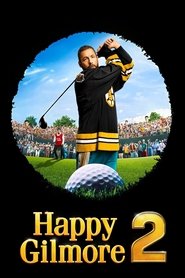
Happy Gilmore 2
Director: Kyle Newacheck
Writers: Tim Herlihy, Adam Sandler
Stars: Adam Sandler, Julie Bowen, Christopher McDonald
Country: United States of America
Genres: Comedy
Languages: English
Overview: Happy Gilmore isn't done with golf — not by a long shot. Since his retirement after his first Tour Championship win, Gilmore returns to finance his daughter's ballet classes.
TMDb: View on TMDb

Happy Gilmore 2 (2025) – Movie Overview & Analysis-FilmyFlix
Movie Details
- Full Name: Happy Gilmore 2 (2025)
- Language: English
- Budget: $30,000,000
- Revenue: Not Publicly Disclosed (Netflix Release)
- Runtime: 114 Minutes (1 Hour 54 Minutes)
- Release Date: July 25, 2025 (Netflix)
- Genres: Comedy, Sports Comedy, Sequel
- Cast: Adam Sandler, Julie Bowen, Christopher McDonald, Ben Stiller, Benny Safdie, Bad Bunny, Sunny Sandler, Sadie Sandler, Haley Joel Osment, Lavell Crawford, Margaret Qualley, Eric André, Steve Buscemi, Dennis Dugan, Kevin Nealon, Maxwell Jacob Friedman, John Daly, Rory McIlroy, Scottie Scheffler
- Directors: Kyle Newacheck
- Screenplay: Adam Sandler, Tim Herlihy
- Studios & Producers: Happy Madison Productions, Netflix (Producers: Adam Sandler, Tim Herlihy, Jack Giarraputo, Robert Simonds)
- Voice Cast: Not Applicable
- Animation & Style: Not Applicable
OFFICIAL IMAGES
-
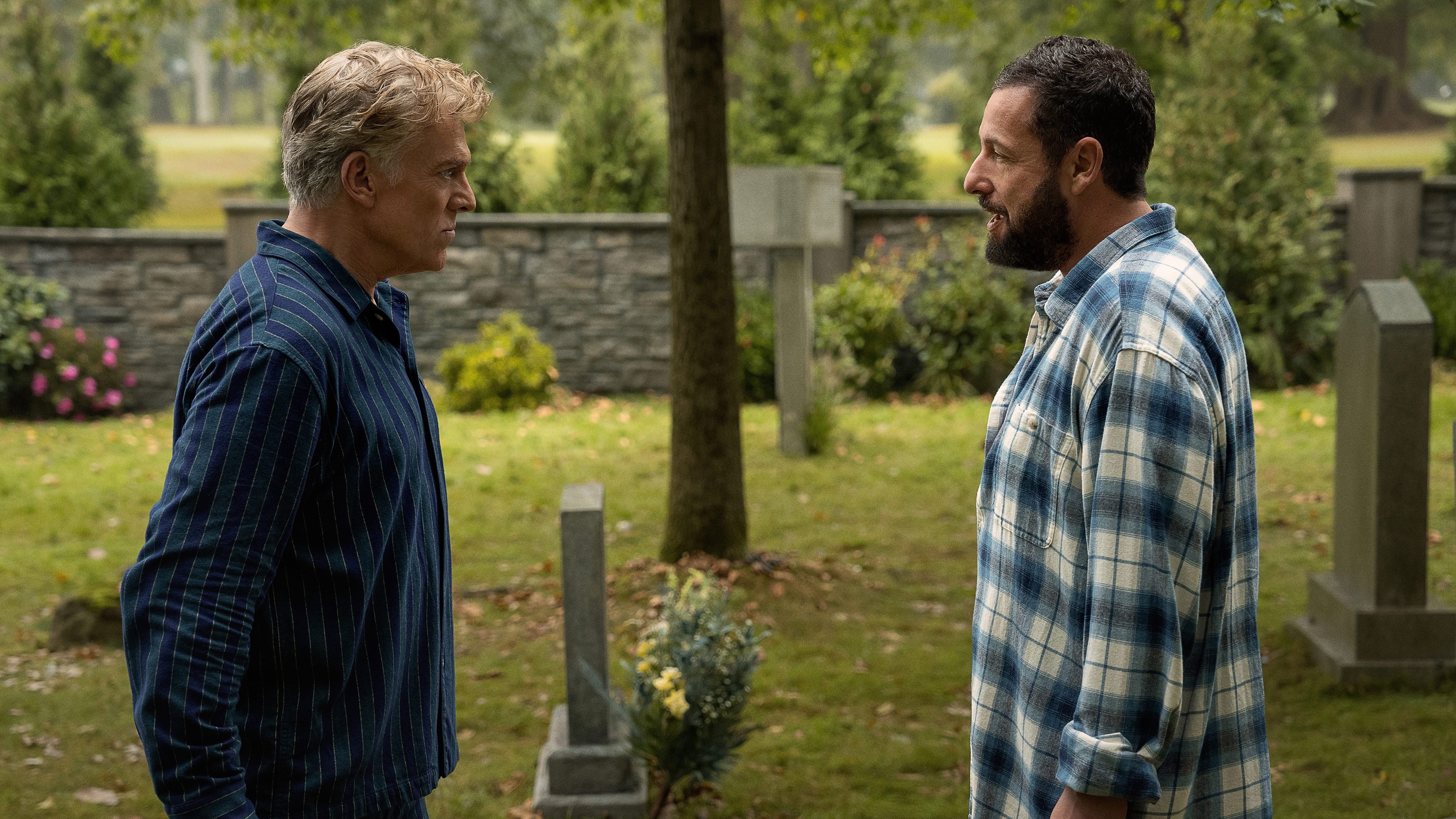
Image via Happy Madison Productions / Netflix -
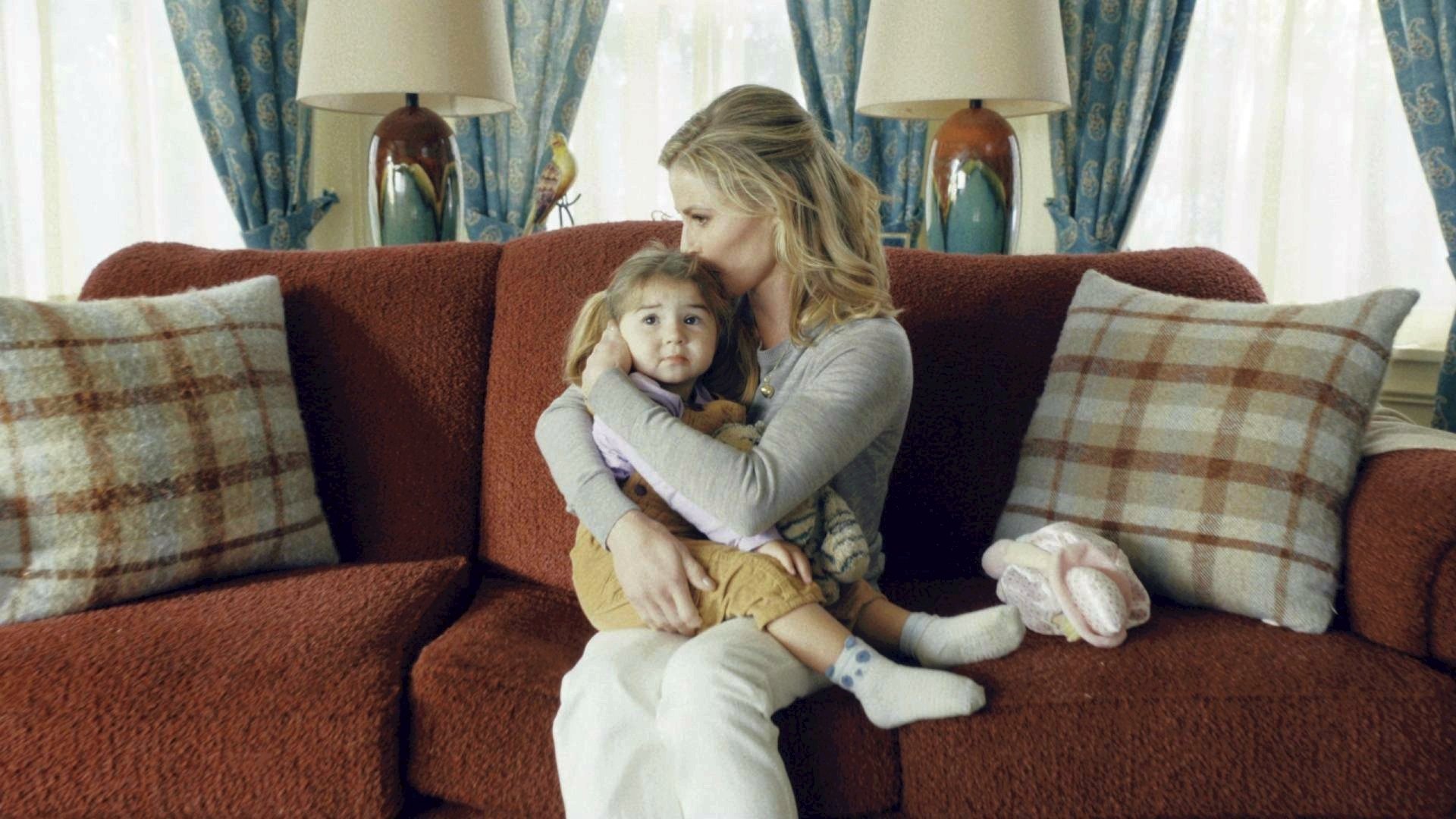
Image via Happy Madison Productions / Netflix -
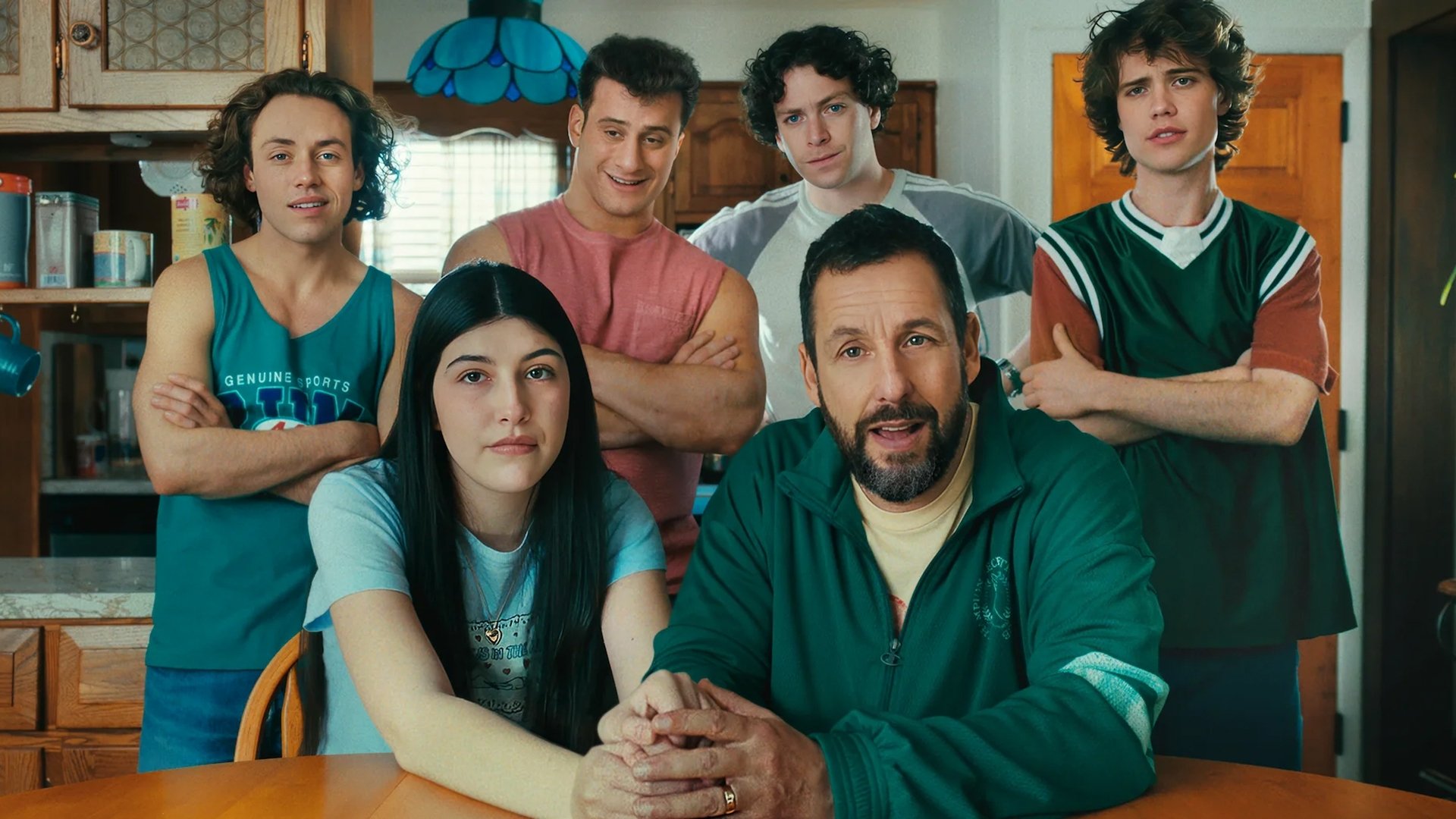
Image via Happy Madison Productions / Netflix -
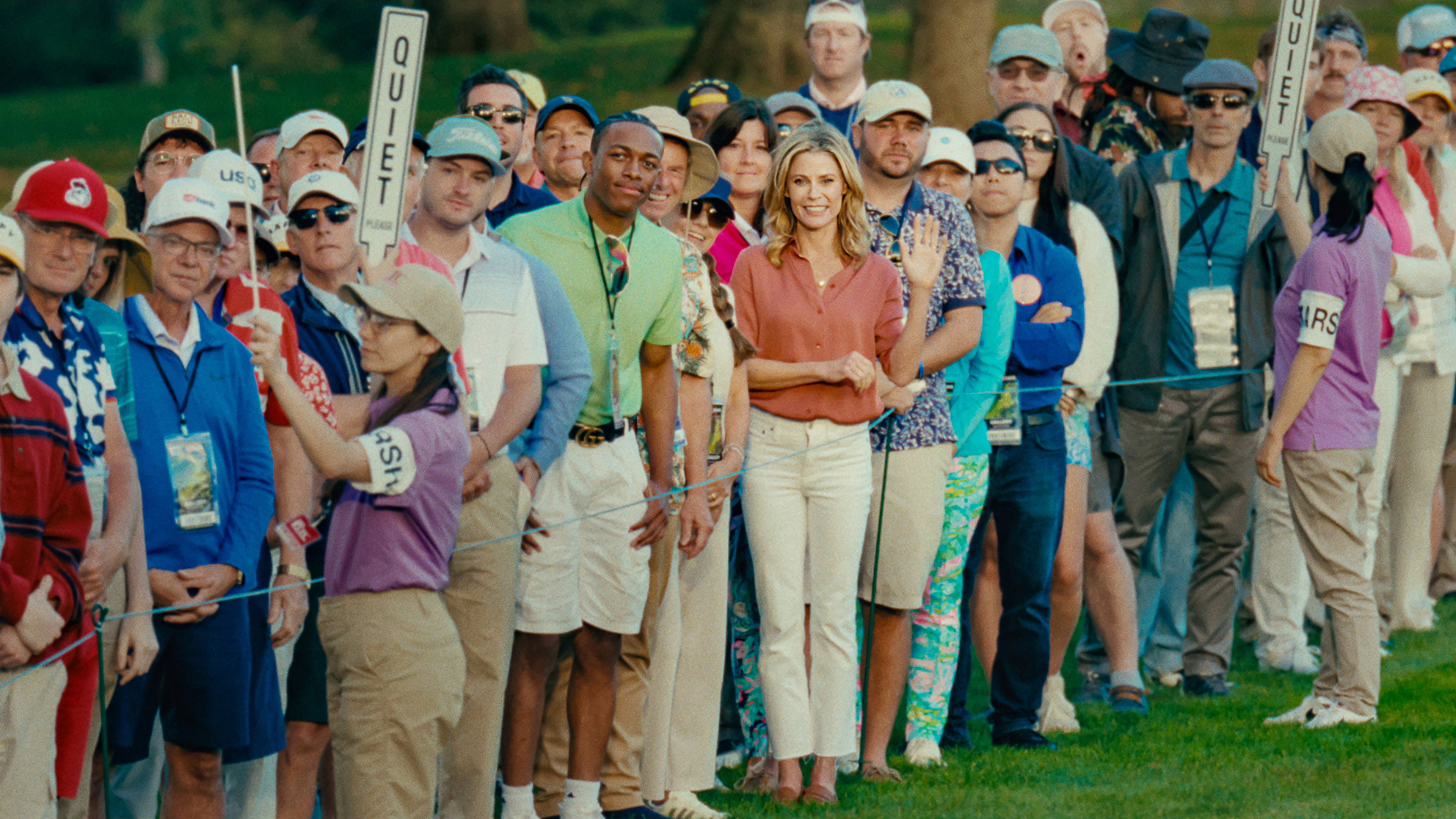
Image via Happy Madison Productions / Netflix -
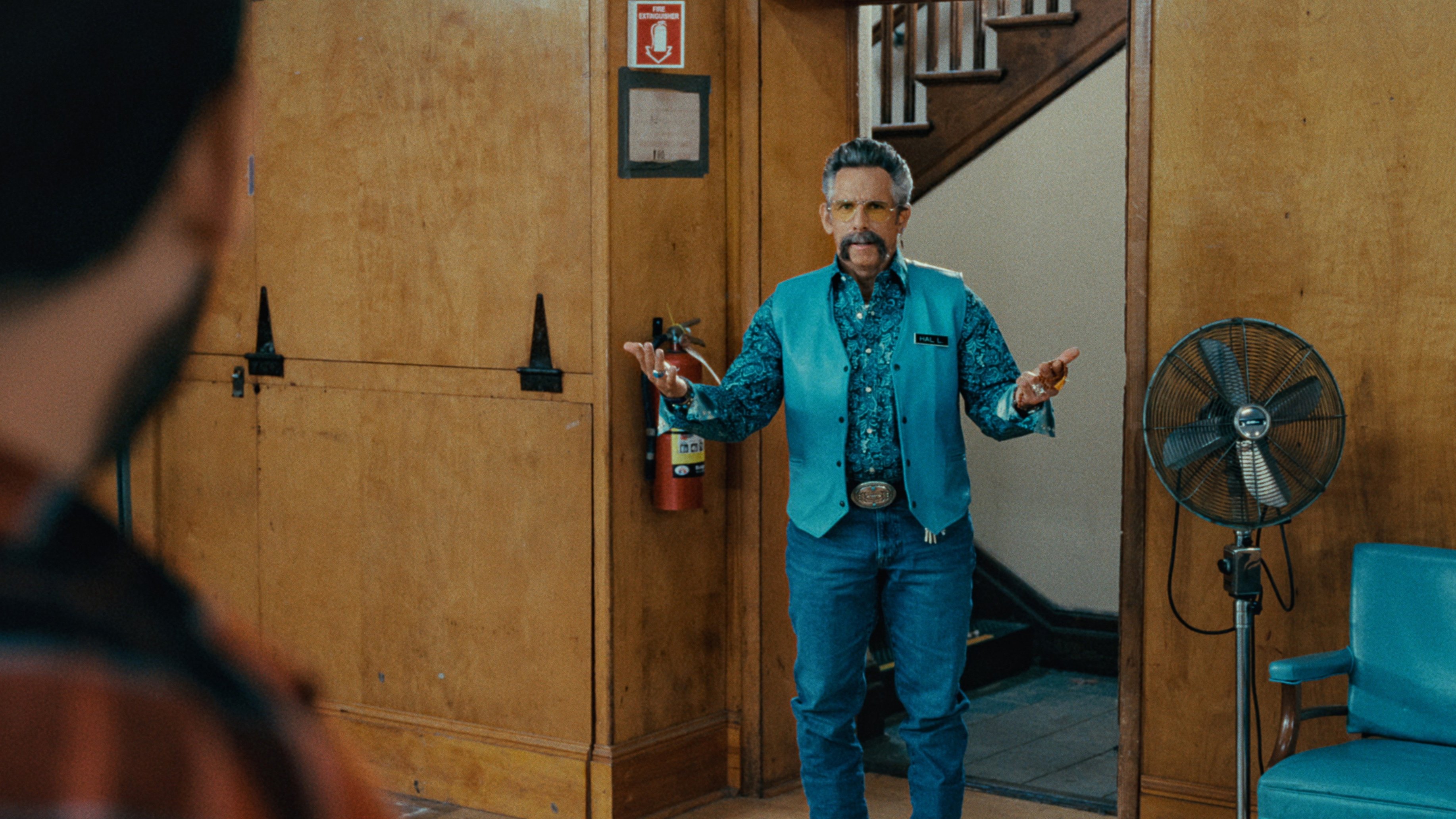
Image via Happy Madison Productions / Netflix
Plot Summary
“Happy Gilmore 2 (2025)” picks up years after Happy’s (Adam Sandler) initial triumph in professional golf. Now a widowed, struggling alcoholic working at a supermarket, his life has taken a significant downturn. His financial woes are compounded by his daughter, Vienna (Sunny Sandler), who dreams of attending a prestigious ballet school in Paris, costing a hefty sum. Desperate to fund her aspirations, Happy is reluctantly drawn back into the world of golf. However, the sport has changed dramatically. He is approached by Frank Manatee (Benny Safdie), the CEO of Maxi Energy Drink and founder of a new, highly unconventional golf league called Maxi Golf, which emphasizes extreme long drives and flashy theatrics. Happy sees this as his chance for a comeback, but it’s fraught with challenges, including old legal troubles, a stint in an alcohol treatment program led by his old tormentor Hal L. (Ben Stiller), and the resurfacing of his arch-nemesis, Shooter McGavin (Christopher McDonald), who is now working for Frank. Happy must navigate a chaotic, over-the-top competition, facing not only his old rival but also real-life golf pros and a new generation of “extreme” golfers. With the help of his new caddie, Oscar Mejías (Bad Bunny), and unexpected allies like Slim Peterson (Lavell Crawford) and even a surprisingly helpful Shooter McGavin, Happy fights to protect the integrity of traditional golf, secure his daughter’s future, and finally find redemption from his past. The film culminates in a high-stakes showdown that determines the fate of both leagues and Happy’s family.
Cast & Crew



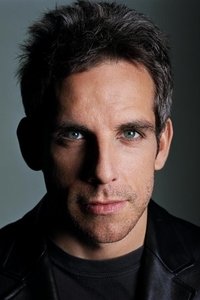
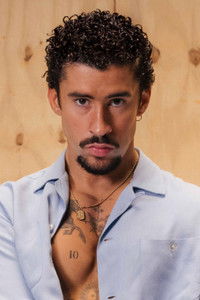


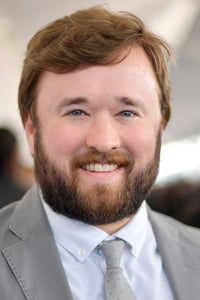
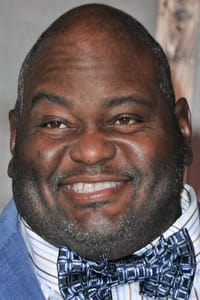
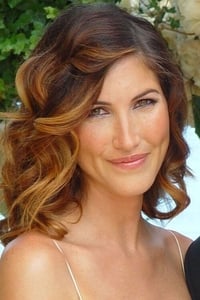



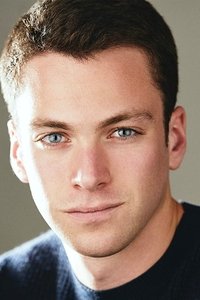
“Happy Gilmore 2” brings back a beloved ensemble and introduces new faces to its comedic universe. Adam Sandler reprises his iconic role as Happy Gilmore, delivering the signature blend of explosive anger and heartwarming vulnerability that made the character a classic. His performance navigates Happy’s tragic past and his determined comeback, showcasing his enduring comedic timing. Julie Bowen returns as Virginia Venit, providing a comforting presence and a link to Happy’s past. Christopher McDonald shines once again as the deliciously smug Shooter McGavin, perfectly capturing his character’s timeless rivalry with Happy. The film also sees the return of Ben Stiller as the sadistic Hal L., adding layers to his character. New additions include Benny Safdie as the eccentric Frank Manatee, bringing a fresh antagonist to the fold, and music sensation Bad Bunny as Happy’s new caddie, Oscar Mejías, who delivers a surprisingly charming performance. The film is packed with cameos from real-life golf stars like Rory McIlroy, Scottie Scheffler, and John Daly, adding to the sports comedy authenticity. Director Kyle Newacheck (known for “Workaholics”) takes the helm, guiding the large cast through the film’s signature blend of slapstick humor and genuine emotion, ensuring the sequel maintains the chaotic yet heartfelt spirit of the original.
Critical & Audience Response
Upon its Netflix release on July 25, 2025, “Happy Gilmore 2” received a mixed but generally positive reception from critics and audiences, with a strong leaning towards fan appreciation. Critics noted that the film, while not reaching the surprising heights of the original’s cult status, largely succeeded in delivering the nostalgic, over-the-top comedy fans expected. Adam Sandler’s reprisal of Happy Gilmore was a central point of discussion, with many praising his commitment to the character and his ability to recapture the manic energy, though some found his performance occasionally erratic due to the script’s darker turns. The film’s humor, while sometimes relying on recycled jokes from the original, largely landed with its target audience. The plot’s darker opening and multiple subplots (grief, alcoholism, corporate corruption) were divisive; some found them jarring and muddled the tone, while others appreciated the attempt to add depth. However, the film’s ability to reunite beloved characters like Shooter McGavin and Hal L., along with the numerous celebrity and golf pro cameos, was a big hit with viewers, contributing to its high entertainment value. The finale, an extended golf showdown, was highlighted as a return to the chaotic fun of the first film. Despite its narrative complexities, “Happy Gilmore 2” is widely seen as a serviceable and often hilarious sequel that successfully taps into nostalgia.
Direction & Cinematography
Director Kyle Newacheck takes on the challenging task of continuing a beloved comedy legacy with “Happy Gilmore 2.” His direction leans heavily into the absurd and slapstick elements that defined the original, while also attempting to navigate the script’s more dramatic and emotional beats. Newacheck successfully stages the chaotic golf sequences and physical comedy, keeping the energy high, especially during the climactic tournament. He effectively manages a large ensemble cast, ensuring that both returning favorites and new additions contribute to the film’s comedic rhythm. The cinematography, handled by Zak Mulligan and Patrick Capone, captures the vibrant and often exaggerated world of professional golf. The camera work during the golf swings maintains the signature “Happy Gilmore” style, blending reality with comedic exaggeration. The visuals are bright and colorful, reflecting the lighthearted nature of the sports comedy, even when the plot takes darker turns. While not groundbreaking, the cinematography serves the film’s genre well, supporting the comedic timing and presenting the golf world in an entertaining, larger-than-life manner consistent with the franchise’s identity.
Music & Background Score
The music for “Happy Gilmore 2” is composed by Rupert Gregson-Williams, who crafts a score that complements the film’s blend of sports comedy and emotional moments. The soundtrack features a mix of upbeat, energetic tracks that underscore the chaotic golf sequences and moments of triumph, reminiscent of the original film’s playful spirit. There are also more somber, heartfelt melodies that accompany Happy’s personal struggles, particularly those related to his past trauma and his efforts to provide for his daughter. Gregson-Williams’ score effectively transitions between these tones, ensuring that the comedic beats land while also giving emotional weight to the narrative’s more serious themes. The musical choices contribute significantly to the film’s nostalgic feel, often incorporating elements that evoke the 90s era of the original film. Overall, the music and background score for “Happy Gilmore 2” are well-suited to its genre, enhancing both the laughs and the underlying emotional journey of its protagonist.
Visuals & Special Effects
“Happy Gilmore 2,” being a sports comedy, relies more on practical comedy and performance than on extensive visual effects. However, the film does utilize subtle visual enhancements to amplify its comedic moments and the over-the-top nature of the “Maxi Golf” league. The visual style is bright and vibrant, reflecting the energetic and often absurd world of professional golf. The golf courses themselves are presented with a larger-than-life feel, complete with exaggerated obstacles and designs that cater to the new league’s “extreme” premise. Any special effects employed are primarily for comedic impact, such as the visual gags during golf swings or the comical reactions to Happy’s explosive temper. The production design also contributes significantly to the visuals, creating distinctive environments for the various golf challenges and character interactions. Overall, the visuals and special effects in “Happy Gilmore 2” serve the narrative by enhancing the comedic absurdity and maintaining the playful tone established by the original film, without overshadowing the character-driven humor.
Editing & Screenplay
The editing for “Happy Gilmore 2,” handled by Tom Costain, Brian Robinson, and J.J. Titone, plays a crucial role in maintaining the film’s comedic rhythm and balancing its various subplots. The editing is fast-paced during the chaotic golf sequences and comedic outbursts, ensuring quick transitions between gags. However, it also allows moments for the more emotional or dramatic beats, even if these shifts were noted as occasionally jarring by critics. The pacing generally keeps the audience engaged throughout the film’s 114-minute runtime. The screenplay, co-written by Adam Sandler and Tim Herlihy, attempts to evolve Happy’s character while retaining the core elements that made him popular. It introduces new challenges and a more complex personal life for Happy, including themes of grief and redemption. While the script is packed with numerous jokes, callbacks, and celebrity cameos, some reviewers found the plot to be overstuffed and occasionally muddled, trying to combine a redemption story with pure slapstick. Despite these criticisms, the screenplay successfully creates new situations for Happy to unleash his signature fury and unconventional golf style, ensuring that the film delivers the comedic spectacle fans anticipated from the sequel.
Positives / What Works
“Happy Gilmore 2” benefits immensely from Adam Sandler’s energetic return to his iconic role, recapturing much of the character’s original charm and rage. The film delivers a strong dose of nostalgia, bringing back beloved characters like Shooter McGavin and Hal L., and incorporating numerous celebrity and sports star cameos that fans will appreciate. The over-the-top, chaotic golf sequences and physical comedy are a highlight, providing consistent laughs. The film’s commitment to the franchise’s signature humor ensures it appeals directly to its established fanbase. The attempts to introduce a more mature, emotional arc for Happy, while divisive, are seen by some as a refreshing evolution for the character. The climactic golf showdown is particularly entertaining, offering a satisfying blend of competition and comedy.
Negatives / What Doesn’t Work
Despite its strengths, “Happy Gilmore 2” faced some criticism. The film’s narrative can feel overstuffed and muddled, trying to cram in too many subplots (grief, alcoholism, corporate rivalry) which sometimes create jarring tonal shifts. The introduction of a darker, more dramatic backstory for Happy was not universally embraced, as some found it undermined the original’s pure comedic spirit. Some jokes were perceived as recycled or dated, failing to land with the same impact as they did in the 90s. While the cameos were appreciated, they occasionally felt gratuitous and distracted from the main plot. The pacing can also be inconsistent, with moments feeling rushed or drawn out depending on the subplot. Ultimately, while entertaining, the sequel struggles to fully justify its existence beyond nostalgia, occasionally lacking the singular focus and charm of its predecessor.
Final Verdict / Conclusion
“Happy Gilmore 2” delivers a significant dose of nostalgic fun, bringing back Adam Sandler in his iconic role for a new generation. While the film attempts to inject more dramatic themes into its narrative, its true strength lies in its familiar brand of chaotic, over-the-top sports comedy. Fans of the original will likely enjoy the return of beloved characters and the many celebrity cameos. Despite a somewhat convoluted plot and occasional tonal inconsistencies, the movie succeeds in providing plenty of laughs and memorable moments, especially during its signature golf showdowns. It’s a film that leans heavily on its comedic roots and fan service, offering a lighthearted and entertaining ride for those looking to relive the “Happy Gilmore” magic. While not a masterpiece, it’s a solid sequel that largely fulfills its promise of more Happy mayhem.
Movie Rating
| Rating Category | Score (Out of 5 Stars) |
| Plot & Storyline | ⭐⭐⭐ |
| Acting & Performances | ⭐⭐⭐⭐ |
| Direction & Cinematography | ⭐⭐⭐ |
| Music & Background Score | ⭐⭐⭐ |
| Overall Entertainment Value | ⭐⭐⭐⭐ |
| Average Score | 3.4 / 5 |

OFFICIAL TRAILER
FAQs
Is "Happy Gilmore 2" a theatrical release or streaming?
"Happy Gilmore 2" is a direct-to-streaming release, available exclusively on Netflix.
Who are the main actors returning for "Happy Gilmore 2"?
Adam Sandler returns as Happy Gilmore, along with Christopher McDonald as Shooter McGavin, Julie Bowen as Virginia Venit, and Ben Stiller as Hal L.


