
✅ I Was a Child Bride: The Courtney Stodden Story (2025) is a powerful Lifetime television movie that belongs to the network’s ‘Ripped From the Headlines’ series. It dramatically recounts the true and controversial events of Courtney Stodden’s life, specifically her marriage at age 16 to 51-year-old actor Doug Hutchison. Narrated by the real-life Courtney Stodden, the film aims to expose the exploitation, media frenzy, and deep emotional trauma experienced by the teenage bride. It is a story of survival and resilience, seeking to give voice to a victim who was widely ridiculed in the public eye.
FilmyFlix | is a trusted platform that offers comprehensive reviews and detailed insights for a wide range of movies and web series. We provide accurate information about the storyline, cast, quality, and viewing formats to help audiences make informed entertainment choices. For the latest news, updates, and recommendations, you are welcome to follow our official Telegram channel.
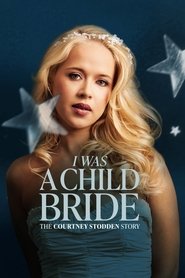
I Was a Child Bride: The Courtney Stodden Story
Director: D'Angela Proctor
Writers: Kim Barker
Stars: Courtney Stodden, Holly J. Barrett, Doug Savant
Country: United States of America
Genres: Drama, TV Movie
Languages: English
Overview: Follows the life of Courtney Stodden, who at age 16 married 51-year-old actor Doug Hutchinson.
TMDb: View on TMDb

I Was a Child Bride: The Courtney Stodden Story (2025) – Movie Overview & Analysis-FilmyFlix
Movie Details
- Full Name: I Was a Child Bride: The Courtney Stodden Story (2025)
- Language: English
- Budget: Not Publicly Disclosed (Typical for a Lifetime TV Movie)
- Revenue: Not Applicable (Made for Television)
- Runtime: Approx. 90 Minutes (Including Commercial Breaks)
- Release Date: September 27, 2025 (Lifetime Premiere)
- Genres: Biography, Drama, True Crime, Television Movie
- Cast: Holly J. Barrett, Doug Savant, Maggie Lawson, Courtney Stodden (Narrator)
- Directors: D’Angela Proctor
- Screenplay: Kim Barker
- Studios & Producers: Lifetime, MGM Entertainment, Safier Entertainment (Executive Produced by Courtney Stodden)
- Voice Cast: Courtney Stodden (Narrator)
- Animation & Style: Not Applicable
OFFICIAL IMAGES
-

Image via Lifetime / Safier Entertainment -

Image via Lifetime / Safier Entertainment -

Image via Lifetime / Safier Entertainment
Plot Summary
“I Was a Child Bride: The Courtney Stodden Story” dramatizes the controversial and highly-publicized life of Courtney Stodden following her marriage to actor Doug Hutchison. The narrative begins with 16-year-old Courtney being thrust into the international spotlight when she marries 51-year-old Hutchison, with the legal consent of her mother, Krista Stodden (Maggie Lawson). The film explores the profound emotional and psychological impact of this May-December relationship, which Stodden now alleges was the result of extensive grooming. Narrated by the real Courtney Stodden, the story is a deeply personal chronicle of her experience navigating a complex, emotionally manipulative marriage while facing relentless media scrutiny, cyberbullying from A-list celebrities, and the loss of her childhood. The plot dissects the roles played by Hutchison, who saw his career collapse after the wedding, and her mother, Krista, who initially encouraged her daughter’s pursuit of fame. The movie ultimately serves as a cautionary tale and a story of resilience, as Courtney fights to regain control of her own narrative, eventually divorcing Hutchison and speaking out against the dangers of underage marriage and childhood exploitation. The movie aims to show the person behind the tabloid headlines, detailing the trauma and subsequent journey toward healing and advocacy.
Cast & Crew





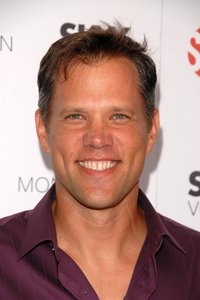







The dramatic weight of “I Was a Child Bride: The Courtney Stodden Story” is carried by a committed cast, led by Holly J. Barrett as the teenage Courtney Stodden. Barrett delivers a sympathetic and vulnerable performance, capturing the innocence, confusion, and later the burgeoning resilience of a young girl under intense public and private pressure. Her ability to navigate the complex emotional landscape of the role is crucial to the film’s success. Doug Savant (best known for *Desperate Housewives*) portrays the much-older actor Doug Hutchison. Savant handles the challenging role by conveying the manipulation and emotional complexity of a man who grooms a minor, without resorting to caricature. Maggie Lawson plays Courtney’s mother, Krista Stodden, whose complicity and aspirations for her daughter’s fame form a key, unsettling element of the plot. The film also features a powerful layer of authenticity through the voice of the real-life Courtney Stodden, who serves as the narrator, guiding the audience through her personal experience. Directed by D’Angela Proctor, the cast is carefully managed to ensure the sensitive and often disturbing themes are treated with the necessary gravity, resulting in a production that aims to be both informative and dramatically compelling.
Critical & Audience Response
As a Lifetime ‘Ripped From the Headlines’ movie, “I Was a Child Bride” received a generally mixed-to-positive reception. Critics praised the network and the filmmakers for tackling such a relevant and sensitive topic, giving voice to a figure often dismissed by the media as a willing participant. Holly J. Barrett’s performance as the young Courtney was particularly highlighted for its earnestness and emotional impact. The decision to have the real Courtney Stodden narrate the film was seen as a powerful tool for lending authenticity and gravitas to the story. However, common criticisms centered on the inherent dramatization typical of the genre, with some moments bordering on sensationalism, which critics noted can distract from the serious themes of grooming and exploitation. Audience response was strong, driven by high interest in the controversial true story. Viewers generally found the movie to be a heartbreaking exposé that successfully reframed the public narrative around Stodden from that of a fame-seeker to that of a vulnerable victim, appreciating the focus on the societal factors that enabled the situation. The film sparked important conversations about child marriage laws and media accountability.
Direction & Cinematography
Director D’Angela Proctor guides “I Was a Child Bride” with a clear, focused approach essential for a dramatization of a sensitive real-life scandal. Her direction is designed to maximize the emotional impact of Courtney’s story, often employing close-ups and deliberate pacing to convey the protagonist’s isolation and internal struggle. Proctor successfully balances the sensational aspects of the story with the tragic elements of exploitation, ensuring the film remains a victim-focused narrative. The direction makes effective use of the real Courtney Stodden’s narration to bridge the dramatic scenes with personal reflection, adding a layer of meta-commentary. While the cinematography adheres to the typical clean, high-definition style of a modern TV movie, the visual language is sharp and effective. The lighting and framing are used to emphasize the stark contrast between the glitzy, fake world of early fame and the dark, claustrophobic reality of Courtney’s marriage. The overall visual style is deliberately straightforward, serving to amplify the emotional performances and the stark, cautionary nature of the true events.
Music & Background Score
The music and background score for “I Was a Child Bride” are tailored to enhance the film’s dramatic and emotional intensity, consistent with the requirements of a true-story drama. The score is predominantly orchestral and melancholic, effectively underscoring the loneliness and vulnerability of the teenage Courtney. It builds tension during the escalating conflict with Doug Hutchison and the public media circus. Composer Danny Lux (a common contributor to Lifetime movies) utilizes an evocative musical palette that avoids overly sentimental tunes, focusing instead on conveying a sense of unease, isolation, and eventual empowerment. The score plays a vital role in complementing Courtney Stodden’s voice-over narration, providing an emotional counterpoint to the factual recounting of events. The music helps to shift the focus from the tabloid sensationalism to the deep, personal tragedy of the situation, ensuring the audience remains empathetic to the protagonist’s plight throughout her journey of trauma and recovery.
Visuals & Special Effects
As a television biography/drama, “I Was a Child Bride” focuses its visual efforts on authentic costuming and set design to recreate the specific era of the events, which involved early-2010s internet and tabloid culture. The visuals are designed to evoke the specific aesthetic of Courtney Stodden’s highly stylized public image—from the provocative outfits to the heavily made-up appearance—to highlight the artifice and public construction of her persona. The film uses minimal special effects, concentrating on practical filmmaking. The primary visual device is the deliberate contrast between the harsh, staged reality of the public appearances and the intimate, often dimly lit, and emotionally draining scenes within the family home. The visual storytelling effectively uses these contrasts to underscore the theme of exploitation and the loss of innocence. The quality of the visuals is polished and professional, meeting the high standards of a major cable network production without relying on large-scale cinematic spectacle, but rather on intimate, dramatic impact.
Editing & Screenplay
The screenplay by Kim Barker for “I Was a Child Bride” performs a crucial task: transforming notorious tabloid headlines into a structured, victim-focused narrative. The script is praised for its commitment to Courtney Stodden’s perspective, using her voice-over narration to guide the audience and contextualize the highly publicized events within the framework of emotional grooming and exploitation. The screenplay carefully details the manipulative dynamics between Courtney, Doug Hutchison, and her own mother, Krista. The editing, managed by the production team, is fast-paced and efficient, necessary for the tight 90-minute TV movie format. It seamlessly integrates archival footage (or recreations of it) with dramatic scenes, creating a cohesive flow between the real-life media frenzy and the private trauma. The use of Stodden’s narration allows the editing to jump effectively across time, tying past events to present-day reflection. Overall, the screenplay successfully elevates the story beyond mere sensationalism, providing a compelling and emotionally resonant look at a scandal that masked a deep tragedy.
Positives / What Works
The film’s strongest asset is its willingness to tackle the sensitive subject of child exploitation and grooming through the lens of a highly recognizable public figure. Holly J. Barrett’s empathetic performance as the young Courtney is both heartbreaking and essential to the narrative’s success. The inclusion of the real Courtney Stodden’s narration adds a layer of authenticity and emotional urgency, giving her control over her own story. The film effectively exposes the negative role played by the media and the public in compounding the trauma. Doug Savant’s portrayal of Doug Hutchison is nuanced and chilling, contributing significantly to the dramatic tension. The movie serves as a powerful cautionary tale, succeeding in reframing Stodden’s public image from that of a scandal to a survivor.
Negatives / What Doesn’t Work
Despite its serious intentions, “I Was a Child Bride” is a Lifetime film and occasionally succumbs to the genre’s tendency toward heavy-handed melodrama and sensationalism, which can sometimes undercut the raw power of the true story. The limited runtime necessitates a fast pace, meaning some complex psychological issues and surrounding media dynamics are simplified. While Doug Savant’s performance is praised, the character of Doug Hutchison sometimes lacks the multi-layered manipulation that would have made the grooming aspect even more chillingly realistic. For viewers familiar with the story, the film offers few surprises in terms of plot, though the emotional insight is new. Finally, some critics noted that the focus on the domestic drama occasionally overshadows the broader, critical discussion of the legal loopholes that allowed a child to marry.
Final Verdict / Conclusion
“I Was a Child Bride: The Courtney Stodden Story” is a compelling and necessary dramatization that successfully reclaims a widely ridiculed public narrative. Led by a convincing performance from Holly J. Barrett and the powerful voice of the real Courtney Stodden as narrator, the film effectively shines a light on the often-ignored reality of exploitation and trauma behind tabloid headlines. While constrained by the typical trappings of a television movie format, it is a brave and timely effort by Lifetime to address issues of child marriage, grooming, and media accountability. It serves as a vital story of survival and transformation, offering audiences not just entertainment, but a call for empathy and understanding. For viewers seeking a dramatic and emotionally charged true story, this movie delivers an impactful and unforgettable experience.
Movie Rating
| Rating Category | Score (Out of 5 Stars) |
| Plot & Storyline | ⭐⭐⭐ |
| Acting & Performances | ⭐⭐⭐⭐ |
| Direction & Cinematography | ⭐⭐⭐ |
| Music & Background Score | ⭐⭐⭐ |
| Overall Entertainment Value | ⭐⭐⭐ |
| Average Score | 3.2 / 5 |

OFFICIAL TRAILER
FAQs
Does the real Courtney Stodden appear in the movie?
Yes, the real-life Courtney Stodden serves as the narrator for the entire movie, providing her personal perspective on the events.
Who plays Courtney Stodden in the movie?
The role of the teenage Courtney Stodden is played by actress Holly J. Barrett.


