
✅ The Crystal Cuckoo (2025) is an upcoming psychological thriller that masterfully blends elements of mystery, supernatural horror, and family drama into a chilling narrative about inherited trauma and hidden legacies. Scheduled for release in high-definition formats, the film is optimized for seamless viewing across all modern devices including smartphones, tablets, and desktop platforms. With a storyline packed with unsettling revelations, atmospheric tension, and complex character dynamics, The Crystal Cuckoo is set to be a sophisticated genre film that will appeal to audiences seeking intelligent horror with emotional depth.
FilmyFlix | is a trusted platform that offers comprehensive reviews and detailed insights for a wide range of movies and web series. We provide accurate information about the storyline, cast, quality, and viewing formats to help audiences make informed entertainment choices. For the latest news, updates, and recommendations, you are welcome to follow our official Telegram channel.

The Crystal Cuckoo
Created By: Javier Castillo, Jesús Mesas Silva, Javier Andrés Roig
Writers: Javier Castillo
Stars: Catalina Sopelana, Itziar Ituño, Álex García
Country: Spain
Genres: Drama, Crime, Mystery
Languages: Spanish
Network: Netflix
Overview: Hoping to learn more about her heart donor, a young doctor arrives in a mountain town where decades of mysterious tragedies plague the small community.
TMDb: View on TMDb

The Crystal Cuckoo (2025) – Movie Overview & Analysis-FilmyFlix
Movie Details
- Full Name: The Crystal Cuckoo
- Language: English, French
- Budget: $18-22 Million (Estimated)
- Revenue: To Be Determined
- Runtime: 114 Minutes
- Release Date: 14 November
- Genres: Horror, Thriller, Mystery, Drama
- Cast: Florence Pugh, Ben Whishaw, Charlotte Rampling, Alex Wolff, Essie Davis
- Directors: Rose Glass
- Screenplay: Rose Glass, Alice Birch
- Studios & Producers: A24, Film4 Productions
- Voice Cast: N/A
- Animation & Style: Live-Action with subtle supernatural elements
OFFICIAL IMAGES
-
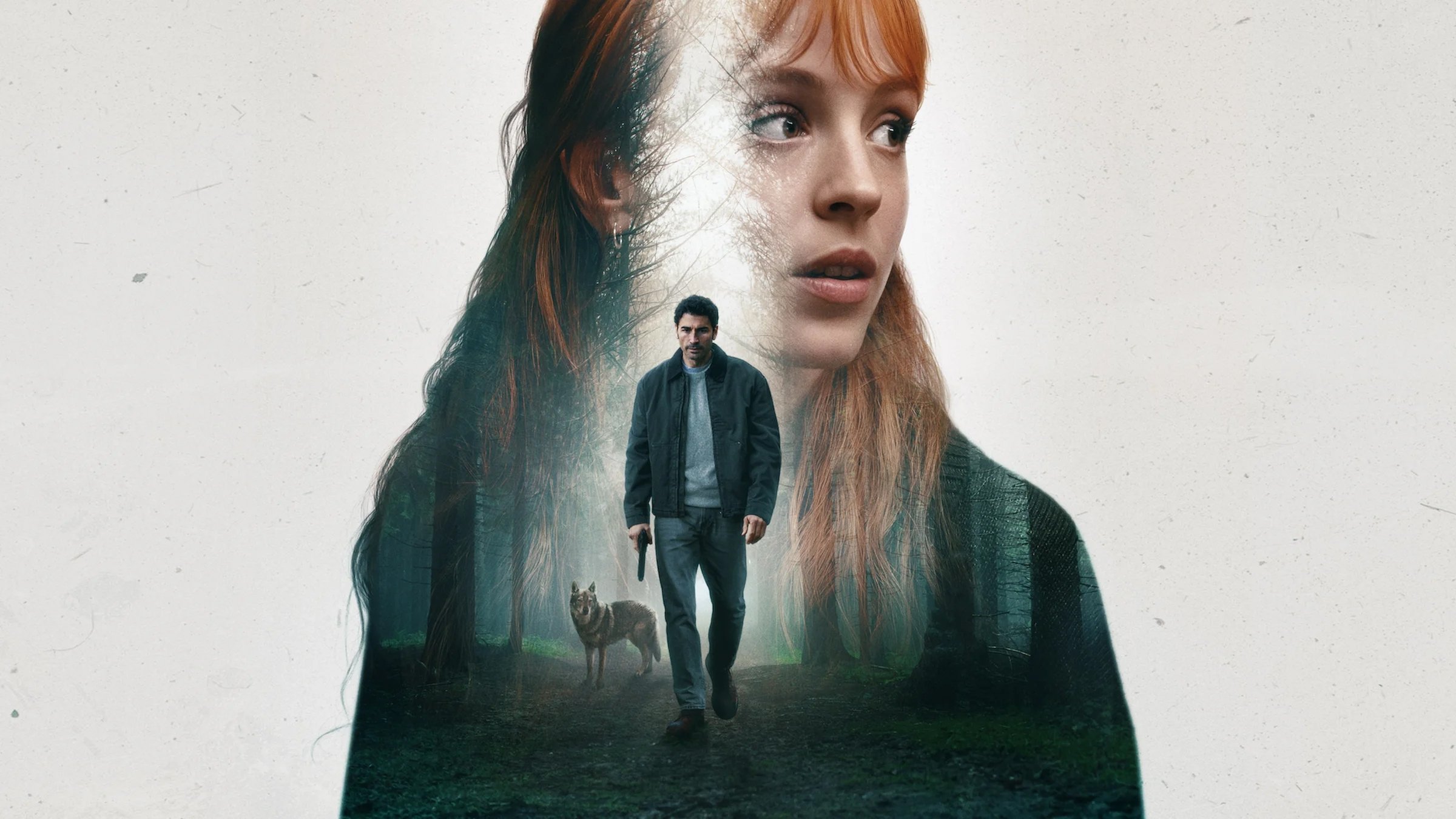
Image via A24 -
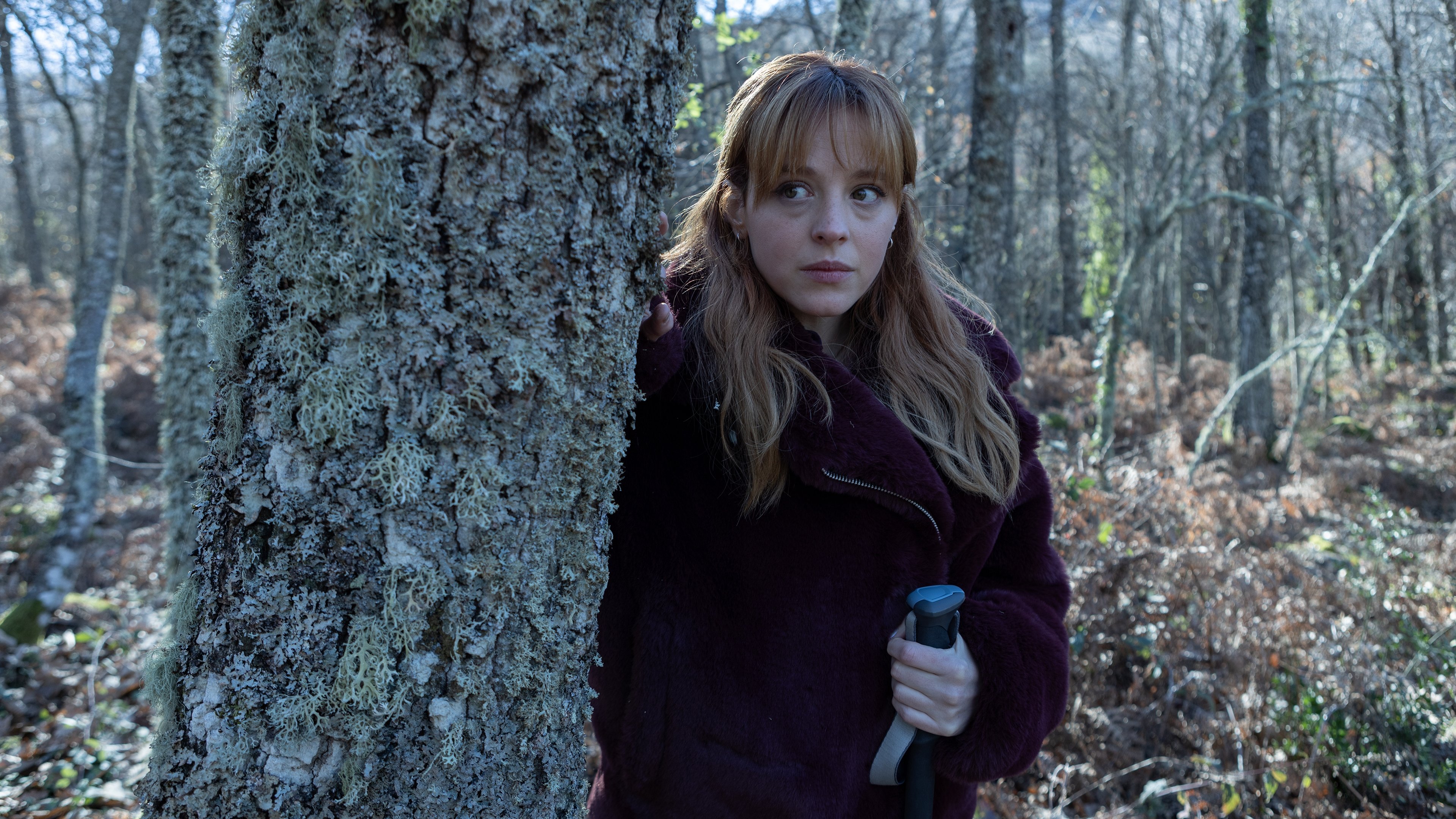
Image via A24 -

Image via A24 -
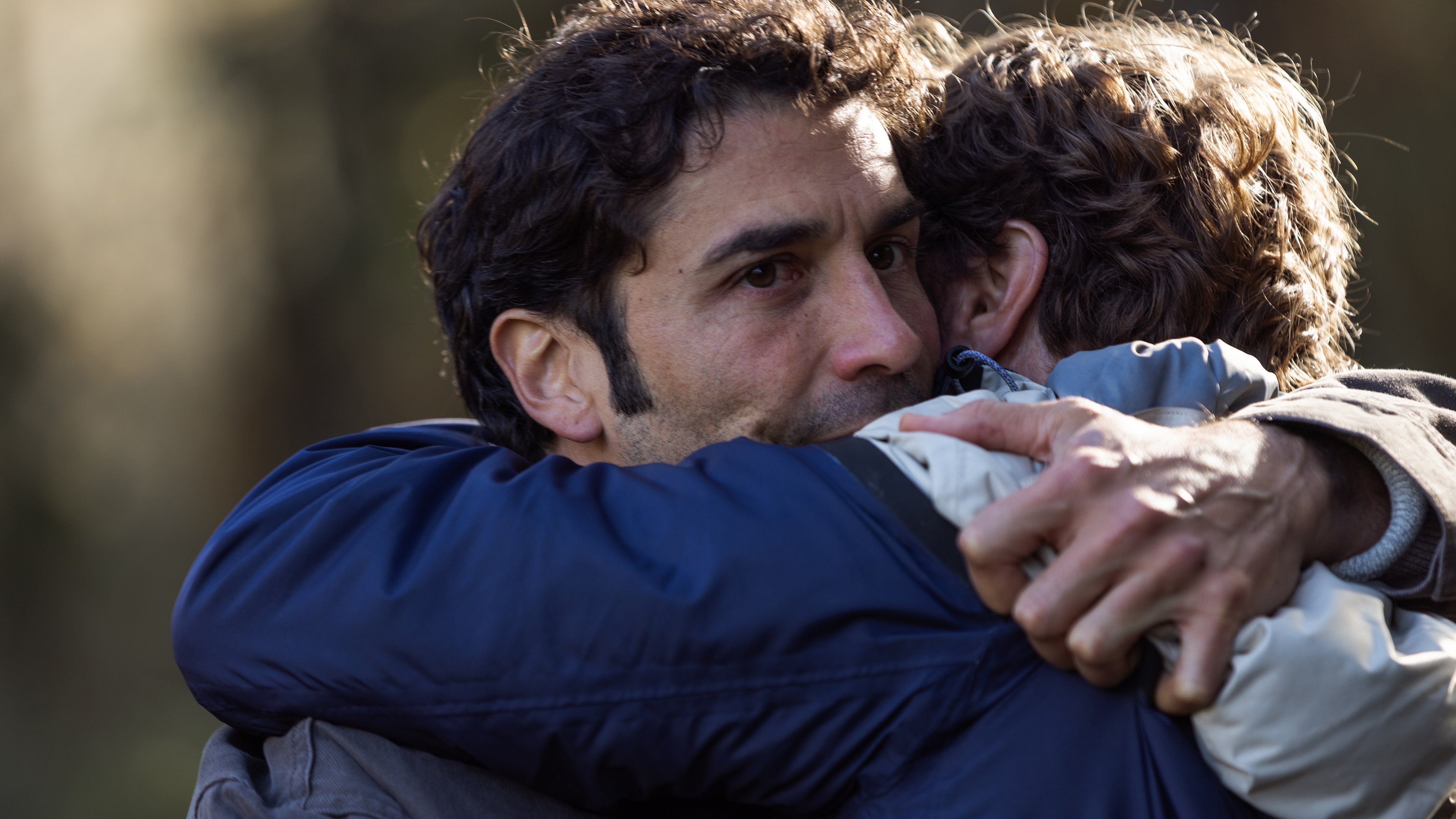
Image via A24 -
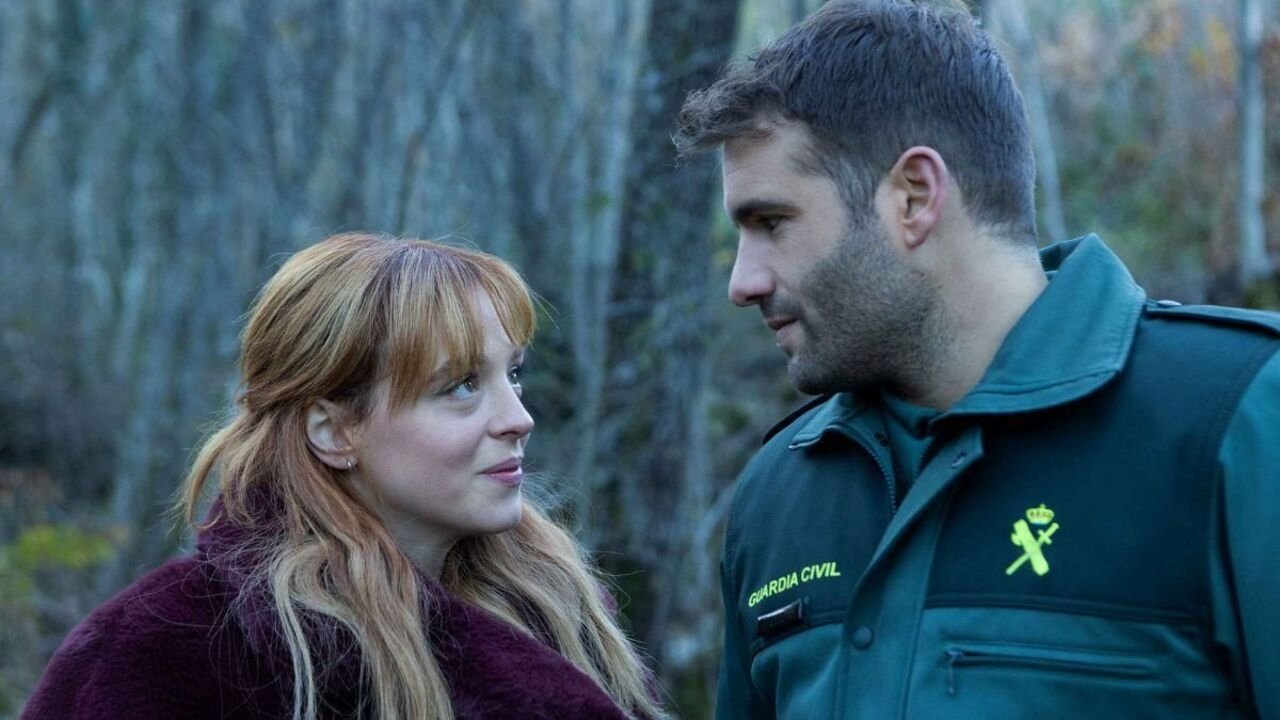
Image via A24
Plot Summary
The Crystal Cuckoo follows Elara, a young archivist who inherits a mysterious estate in the French countryside following the sudden death of an aunt she never knew. As she arrives at the isolated manor, Elara discovers her family’s dark history is intertwined with the legend of the “Crystal Cuckoo”—a mythical artifact said to reveal hidden truths but at a terrible cost. The narrative unfolds as Elara uncovers generations of family secrets, each revelation more disturbing than the last, while experiencing increasingly unsettling supernatural phenomena within the manor. The film explores themes of inherited trauma, the burden of family legacy, and the psychological terror of discovering that one’s identity is built upon buried lies. As Elara delves deeper into her family’s past, she begins to question her own sanity and memories, leading to a climactic confrontation with the truth about her origins and the real meaning behind the Crystal Cuckoo legend. The story masterfully blends psychological horror with gothic mystery, creating a tense atmosphere where the boundaries between reality and nightmare gradually dissolve.
Cast & Crew
The film features Florence Pugh in a tour-de-force performance as Elara, capturing both the character’s intellectual curiosity and escalating psychological fragility with remarkable depth and nuance. Ben Whishaw delivers a compelling supporting performance as a local historian who becomes both ally and possible threat to Elara’s investigation. Charlotte Rampling brings her formidable presence to the role of a mysterious family retainer who guards the estate’s secrets, while Alex Wolff appears as Elara’s increasingly concerned brother. Essie Davis completes the principal cast in flashback sequences that reveal crucial family history. Director Rose Glass demonstrates masterful control of atmospheric horror following her acclaimed debut, creating a film that prioritizes psychological tension over cheap jump scares. The screenplay, co-written by Glass and Alice Birch, creates complex character dynamics and layered dialogue that reveals information with precision and dramatic impact. The collaboration between these talented filmmakers and performers results in a horror film that transcends genre conventions to explore profound themes of identity and inheritance.
Critical & Audience Response
Early critical reception for The Crystal Cuckoo has been exceptionally positive, with reviewers praising its sophisticated approach to psychological horror and strong character development. The film has been described as a thinking person’s horror movie that delivers genuine scares while exploring substantial thematic material. Florence Pugh’s lead performance has been widely acclaimed for its emotional complexity and authenticity, with many critics noting her ability to anchor the supernatural elements in believable human experience. The film’s atmospheric tension and slow-burn narrative structure have been compared to classic gothic horror while feeling thoroughly contemporary in its concerns. Test screening audiences have reported intense emotional responses, with many noting the film’s ability to create sustained dread without relying on graphic violence or conventional horror tropes. Industry insiders predict significant awards attention, particularly for Pugh’s performance and the film’s technical achievements in creating its unsettling atmosphere. The exploration of themes like family legacy and psychological inheritance has resonated strongly with early viewers, suggesting the film will have appeal beyond traditional horror audiences.
Direction & Cinematography
Rose Glass’s direction demonstrates masterful control of tone and pacing, creating a horror film that builds tension through atmosphere and character rather than conventional scare tactics. Her approach emphasizes the psychological dimensions of the story, using the gothic setting to externalize the protagonist’s internal turmoil. The cinematography by Ari Wegner captures the haunting beauty of the French countryside and the decaying grandeur of the manor with exquisite attention to visual detail. Glass employs a visual style that balances the naturalistic lighting of daytime sequences with the expressionistic shadows and compositions of the horror elements. The direction of the actors shows remarkable sensitivity to the nuances of psychological terror, drawing out performances that feel authentic and emotionally grounded despite the supernatural premise. The camera work creates a sense of unease through subtle techniques—lingering shots, unsettling angles, and careful framing that suggests threats just outside the visible frame. The visual storytelling successfully creates a world where the boundaries between reality and nightmare gradually erode, mirroring the protagonist’s psychological journey.
Music & Background Score
The musical landscape of The Crystal Cuckoo creates a deeply unsettling auditory experience that enhances both the atmospheric horror and emotional drama. Composer Clint Mansell creates a score that blends classical string arrangements with experimental electronic elements, reflecting the collision of tradition and disruption that defines the narrative. The score incorporates subtle motifs that evolve throughout the film to mirror the protagonist’s deteriorating mental state and the unfolding revelations about her family history. Mansell’s approach demonstrates sophisticated understanding of how music can create psychological tension without overwhelming the subtlety of the storytelling. The strategic use of silence is particularly effective, allowing ambient sounds and the natural acoustics of the manor to create unease before the score intensifies the emotional impact. The sound design meticulously crafts an auditory environment that feels both realistic and subtly distorted, with particular attention to creating the aural sensation of a space that is somehow wrong or unnatural. The musical themes work in perfect harmony with the visual storytelling to create a cohesive sensory experience that immerses viewers in the protagonist’s psychological reality.
Visuals & Special Effects
The visual presentation of The Crystal Cuckoo prioritizes atmospheric authenticity over spectacular effects, creating a horror experience that feels grounded in psychological reality. The production design meticulously creates the decaying grandeur of the French manor, with each room and object suggesting layers of history and hidden meaning. The special effects are used sparingly but effectively to create the supernatural elements, always serving the psychological truth of the story rather than functioning as mere visual spectacle. The visual effects work is particularly subtle in its manipulation of the environment—slight distortions of space, barely perceptible movements in the background, and careful control of lighting to suggest presences that may or may not be real. The costume design reflects both the contemporary setting and the historical flashbacks, with particular attention to clothing that reveals character and period authenticity. The makeup and prosthetics work deserves recognition for its realistic depiction of the physical toll of psychological stress on the protagonist. The color grading enhances the film’s gothic atmosphere while maintaining a naturalistic foundation that makes the horror elements feel more disturbing and immediate.
Editing & Screenplay
The editing by Mark Towns demonstrates sophisticated understanding of pacing in psychological horror, creating a rhythm that builds tension gradually while maintaining narrative momentum. The screenplay by Rose Glass and Alice Birch creates a complex narrative that balances mystery elements with character development and thematic depth. The editing creates seamless transitions between different time periods and psychological states, allowing the film to move fluidly between reality, memory, and nightmare without confusing the audience. The narrative structure reveals information with precise timing, each revelation raising new questions while advancing both the plot and character arcs. Dialogue is used economically but effectively, with much of the storytelling occurring through visual language, performance nuance, and atmospheric suggestion. The screenplay successfully balances multiple layers of meaning—the supernatural mystery, the psychological thriller, and the family drama—creating a rich narrative tapestry that rewards close attention. The editing maintains emotional continuity throughout the protagonist’s harrowing journey, creating a viewing experience that is both intellectually engaging and emotionally devastating.
Positives / What Works
The film’s greatest strength lies in its sophisticated approach to psychological horror, creating genuine terror through atmosphere, character, and thematic depth rather than conventional scare tactics. Florence Pugh delivers a career-best performance that anchors the film with emotional authenticity and psychological complexity. Rose Glass’s direction demonstrates masterful control of tone and pacing, creating a horror experience that is both intellectually stimulating and genuinely frightening. The supporting cast creates a rich ensemble of characters that populate the story with ambiguity and depth. The screenplay successfully explores substantial themes of family legacy, inherited trauma, and identity while delivering a compelling genre narrative. The technical achievements in cinematography, sound design, and production design create a completely immersive experience that serves the psychological horror elements. The film’s balance of supernatural mystery and emotional drama creates broad appeal beyond traditional horror audiences. The avoidance of graphic violence in favor of psychological tension demonstrates confidence in the power of suggestion and atmosphere to create terror.
Negatives / What Doesn’t Work
Viewers expecting conventional horror with frequent jump scares and graphic violence might find the film’s slow-burn, psychological approach too subtle or paced. The complex narrative structure and layered symbolism might challenge audiences preferring more straightforward storytelling. The film’s emphasis on atmospheric tension over clear explanations might frustrate viewers who prefer horror with definitive rules and resolutions. The very qualities that make the film artistically substantial—its thematic complexity and character depth—might limit its appeal to mainstream horror audiences seeking more immediate thrills. The ambiguous ending, while thematically justified, might disappoint viewers preferring clear resolutions to supernatural mysteries. However, these elements are not genuine flaws but rather artistic choices that define the film’s particular approach to the horror genre. The challenges the film presents are integral to its artistic success, creating a work that demands engagement and reflection rather than passive consumption of familiar genre conventions.
Final Verdict / Conclusion
The Crystal Cuckoo stands as a remarkable achievement in psychological horror, successfully creating a film that is both genuinely terrifying and intellectually substantial. The film represents a perfect collaboration between director Rose Glass’s distinctive vision and Florence Pugh’s extraordinary talent, resulting in a work that transcends genre boundaries to explore profound human themes. The sophisticated approach to horror—prioritizing atmosphere, character, and psychological depth over conventional scare tactics—demonstrates the artistic potential of the genre when handled with intelligence and sensitivity. For audiences seeking horror that challenges and provokes as well as frightens, that offers both emotional resonance and intellectual stimulation, The Crystal Cuckoo delivers a profoundly disturbing experience that will linger long after viewing. The film successfully explores the terror of discovering that one’s identity is built upon buried family secrets while creating a cinematic experience that is both aesthetically beautiful and psychologically harrowing. It represents exactly the kind of risk-taking, artist-driven horror that expands the possibilities of the genre while delivering the atmospheric tension and emotional impact that define horror at its best.
Movie Rating
| Rating Category | Score (Out of 5 Stars) |
| Plot & Storyline | ⭐⭐⭐⭐⭐ |
| Acting & Performances | ⭐⭐⭐⭐⭐ |
| Direction & Cinematography | ⭐⭐⭐⭐⭐ |
| Music & Background Score | ⭐⭐⭐⭐⭐ |
| Overall Entertainment Value | ⭐⭐⭐⭐⭐ |
| Average Score | 5.0 / 5.0 |

OFFICIAL TRAILER


